Understanding Compassion Fatigue
Importance of Self-Care
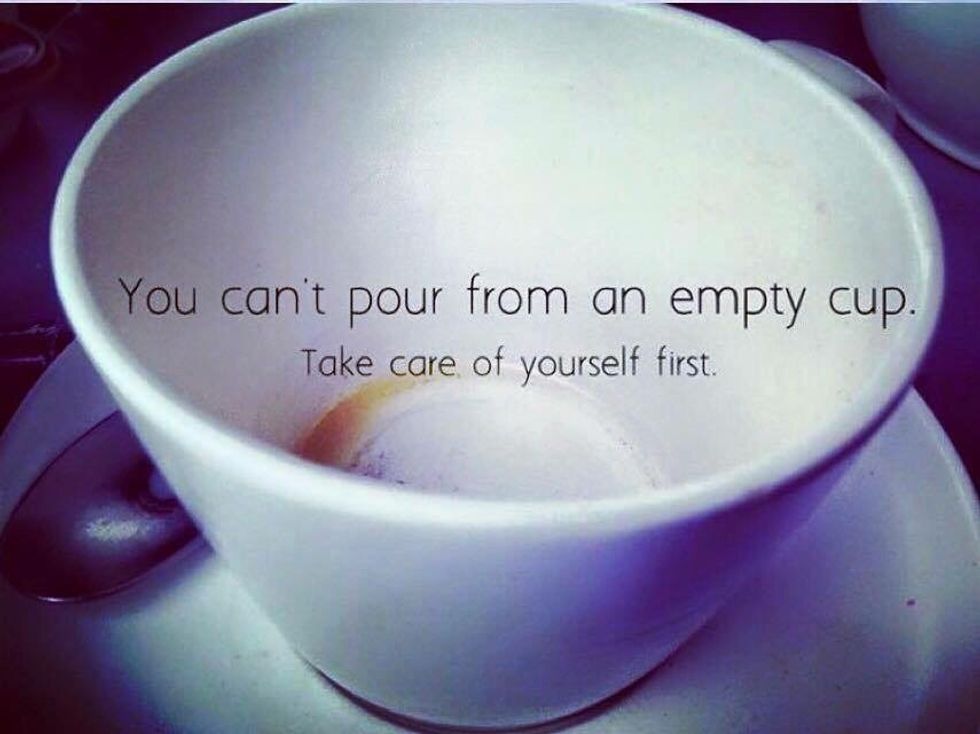
I recently heard the saying “You can’t pour from an empty cup.” This saying really resonates with me and sounds all too true. It’s easy to see how library workers become overloaded and overstressed. I see it all too often in library-related email threads; so many library workers are looking to leave the field entirely, seeking roles that offer better balance and support. We don’t have to leave the library field entirely to do this. There are some ways we can practice self-care to get that better balance we’re looking for. Some of the things that can help are practicing mindfulness and setting clear boundaries. I’ve experienced this firsthand, and believe me, I wish I could go back in time and set more boundaries, but I can only go forward now, and the boundaries are up! Another big one is practicing saying no instead of always instinctively saying yes. I know this one is hard, especially for someone who wants to please everyone. In the long run, one of the best ways you can practice self-care and set those boundaries is practice saying no. I know it can be hard to say no, but you've got to at least try to say no sometimes.Another important thing I’ve learned along the way is that a daily self-care routine helps you recharge, stay balanced, and manage stress more effectively. If you can prioritize even a few small self-care habits each day, it can make a big difference in your mental, emotional, and physical well-being, or from a holistic perspective, mind, body, & spirit. Some simple self-care activities I’ve tried to incorporate into my day are journaling my thoughts, going for walks outside, and engaging in a hobby that I love. Another important one is taking time to hydrate and nourish your body. The key here is consistency. Remember that small, intentional acts of self-care add up over time and help you to be healthier, happier, and more resilient.

Navigating the Challenges & Finding Balance
Despite the hard days, many of us stay in this field because we believe in what libraries stand for and we love working with our patrons and our communities. We know the difference libraries can make in people’s lives, and that’s what keeps many of us going. So, here’s what I think will help us to continue doing this work in a way that’s sustainable. We have to take care of ourselves; actually, this is a must! This means setting boundaries, knowing when to step back and say no, and try this one out too, let’s lean on our coworkers and our support systems when we need to. We’ll talk about support systems later in unit four. Here’s another one I fit in quite often—take time off when you need it. This is practicing self-care even if it’s just one day or a half day. This time off is essential in order to refresh and recharge, especially if you are feeling overwhelmed.
Acknowledging Library Work
We all know that library work is important and very meaningful, but we also know that it can be emotionally draining and demanding. Here’s what we can do. We can acknowledge that there are hard parts to library work, but that doesn’t mean that we don’t love the library. We still do. It just means that we need to be honest about the demands and know what we need to do to take care of ourselves.I’d like to share something that has always been helpful for me. It's talking about my library experiences with other library workers and trusted family members. Whether it's wild stories that happen in the library or sweet stories about helping patrons find books, or even difficulties with other workers or upper management, it really helps to share your experiences. Many times I have felt my passion for libraries falter when something unheard of happens at my library. After talking about it, I feel a lot better, and my passion for my work can be reignited, but sometimes it takes time.
Taking time for yourself and practicing self-care is not selfish. The main key point is that we have to remember that self-care is a necessary element that we need in our lives to thrive.
The more we talk about the challenges of library work, the more we can support each other. One of my goals is to bring library workers together to create a self-care revolution where we all support each other. We have to remember that we are not alone in this work, and we don’t have to navigate it alone or in isolation either. Together we are stronger. By coming together and sharing our experiences and prioritizing our self-care, we can become stronger and more resilient. Send me a message if you're interested in chatting 💛
We're in this together,
the Compassionate Librarian
All images used in this section are licensed through iStock by Getty Images


No comments:
Post a Comment