Showing posts with label danger. Show all posts

Saturday, February 8, 2025

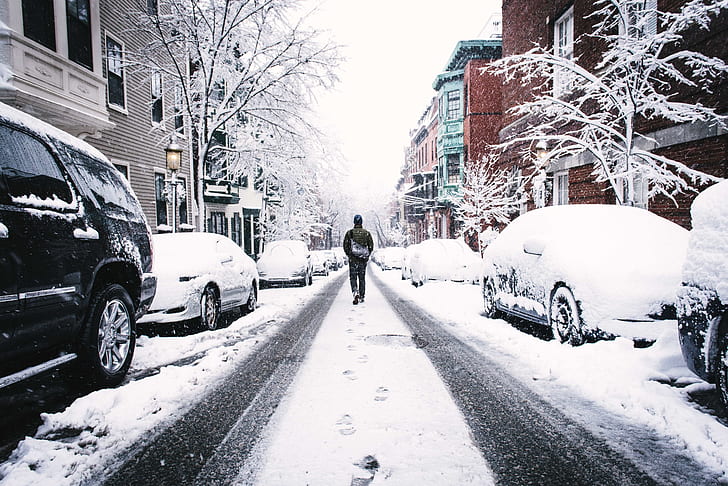
Winter Weather Can be Dangerous for Those Without Shelter


Winter can be a difficult season, but for anyone experiencing homelessness, it can be life-threatening. Here in California, we may not get snow, but cold rain and dropping temperatures still pose serious risks for the unhoused community. Across the country, the weather becomes even harsher—bitter winds, freezing temperatures, and heavy snowfall create dangerous conditions for anyone living outdoors.

Just last week, I witnessed firsthand how quickly cold weather can take a toll. An unhoused man was walking outside the library in the rain, looking exhausted. He eventually laid down on the walkway leading up to the front door. At first, I thought he might just be resting. But then he started jerking upright suddenly and lying back down again. It was clear something was wrong.

I called 911, and EMTs arrived shortly after to assist him. It was a sobering reminder of how dangerous winter weather can be and how important it is for library staff to recognize when someone might need help. The EMTs told me that it was a good thing that I had called them and explained that the man was suffering from hypothermia, a dangerous drop in body temperature caused by prolonged exposure to cold and wet conditions, which lead to his confusion, muscle weakness, and he could have even gone unconscious if he was left untreated.

The Danger of Cold Weather for Unhoused Individuals

Exposure to the elements can quickly lead to serious health issues, including:

  • Hypothermia: When body temperature drops too low, causing confusion, unconsciousness, and even death if untreated.
  • Frostbite: Especially in colder climates, frostbite can damage skin and tissue in minutes.
  • Respiratory Illnesses: Living outside in cold, wet weather can lead to severe illnesses like pneumonia.

How to Respond if an Unhoused Person Needs Medical Help

As library staff, you might be the first to notice when someone needs medical attention. Here’s what you can do:

1️⃣ Stay Calm and Assess the Situation

  • Observe from a safe distance. If the person appears unconscious, confused, or unresponsive, call 911 immediately.

2️⃣ Call for Emergency Help

  • Be clear and detailed with the dispatcher: describe what’s happening, your location, and any visible symptoms.

3️⃣ Offer Assistance, If Possible

  • If the person is alert and able to speak, offer them a blanket or direct them to a nearby shelter or warming center.

4️⃣ Know Your Local Resources

  • Have a list of shelters, warming centers, and outreach services. Sometimes, just offering information can help someone find warmth and safety.

Take A Compassionate Approach

It’s not always easy to know what to do, but it’s always okay to err on the side of caution. Calling 911 can be a lifesaving decision. And while it’s impossible to solve the larger crisis of homelessness on your own, responding with compassion and kindness makes an immediate difference.

Remember, our kindness is really important when it comes to helping unhoused patrons. It’s about being part of the community—helping where you can, and sometimes just being a steady, caring presence when someone needs it most.


Stay warm, stay safe, and stay compassionate. ❤️

Saturday, February 1, 2025

Setting Boundaries with Compassion: Navigating Difficult Patron Interactions


Working in a public library, I’ve always believed in creating a welcoming and inclusive space for everyone. Libraries are often one of the few places where unhoused community members can find shelter, resources, and a sense of belonging, but what happens when a patron’s behavior crosses the line—making staff feel uncomfortable or unsafe?

When Patron Behavior Crosses the Line

At my library yesterday, an unhoused man spent a few hours approaching several of the female staff—asking for their names, phone numbers, and even asking them out on dates. Each time he would ask, they would say NO. His comments became increasingly inappropriate, veering into remarks about their bodies and expressing his desire to "get with them." Even the male staff members felt extremely uncomfortable as the unhoused man approached them and made harassing comments to them about their coworkers. 

At first, the staff tried to brush it off, but as the encounters continued, it became clear that his behavior was out of line. Many staff members were visibly uncomfortable, unsure of how to respond, but they still continued to say NO.

Taking Action Without Escalation

When dealing with difficult situations like this, my goal is always to find a solution that protects the staff while also avoiding unnecessary escalation—especially when police intervention could cause further harm to someone already struggling. It was not our intention to harm the man, only to have him stop making harassing comments. 

Instead of immediately calling law enforcement, I thought we'd try to calmly but firmly let the man know that his behavior was unacceptable and ask him to leave for the day.

The message was clear:
👉 It is NOT appropriate to make comments about staff members’ bodies
👉 It is NOT OK to persist when someone says no
👉 The bottom line is - No means No

At first, the man brushed it off saying, “I’m just a friendly person,” We held firm and reiterated that his behavior was not OK and he had made staff feel uncomfortable. Eventually, he left the library upon our request. 

The Balance Between Compassion and Boundaries

This situation wasn’t easy. Libraries are meant to be safe spaces for both patrons and staff, but we cannot prioritize being "welcoming" at the expense of safety.
📌 Staff should never feel intimidated or unsafe at work.
📌 Patrons should know that inappropriate behavior is not OK.

At the same time, I also recognize the challenges of addressing these issues when they involve vulnerable patrons. Many unhoused individuals lack access to mental health care, social services, and community support. This doesn’t excuse inappropriate behavior—but it does help us approach these moments with humanity and care.

Lessons for Library Staff: How to Handle Similar Situations

If you find yourself facing a similar situation in your library, here are some key takeaways:

Trust Your Instincts & Speak Up
If a patron is making you uncomfortable, you do not have to “just deal with it.” Your safety and well-being matter.

✅ Use Direct, Clear Language
Phrases like “That is not appropriate” or “I need you to stop” send a firm message without inviting debate.

✅ Have a Plan for Escalation
Decide in advance how your library will handle boundary violations. Options may include:

  • A verbal warning
  • A short-term removal from the library
  • A formal ban if behavior continues
  • Involving security or law enforcement only when absolutely necessary

✅ Support Each Other
Library work is tough. Let your coworkers know they have your support. Check in with coworkers after a difficult patron interaction and make sure they feel supported.

✅ You Can Be Compassionate AND Have Boundaries
It’s possible to care about serving all patrons while still enforcing rules that keep everyone safe. Boundaries are not unkind—they allow libraries to function as the safe spaces they’re meant to be.

Final Thoughts

This situation was a reminder that boundaries are necessary—not just for protecting staff, but for ensuring that everyone in the library understands what respectful behavior looks like.

Libraries are essential community spaces, but that doesn’t mean anything goes. We have a responsibility to uphold a culture of safety, respect, and inclusion—for patrons and staff alike.

Have you ever encountered a situation like this in your library? How did you handle it? Let’s start a conversation about creating safer and more supportive library spaces. 💙📚

all my best, 

the Compassionate Librarian

Thursday, January 30, 2025

Helping Unhoused Patrons in the Library: Compassion in Extreme Weather

Many unhoused community members face dangerous conditions in extreme weather. In freezing temperatures in the winter and in scorching heat in the summer make survival into an even greater challenge. Without stable shelter, individuals experiencing homelessness are at high risk for frostbite, heat exhaustion, dehydration, and other life-threatening conditions. 

Libraries often serve as one of the few safe havens, offering warmth in the winter, air-conditioned relief in the summer, and year-round access to information and resources.

In winter as temperatures drop and the cold settles in, life becomes even more challenging for unhoused community members. Freezing nights, limited shelter space, and the daily struggle for warmth and safety make this time of year especially difficult. It is really important for unhoused community  members to know that libraries are welcoming spaces and can play a vital role in providing them with warmth, connection, resources, hope and dignity.

For many unhoused individuals, the library serves as a refuge from the harsh elements. It’s a place where they can warm up, rest for a while, and access essential information that could help improve their situation. But beyond simply being a warm space, libraries have the power to connect patrons with life-saving resources.

With winter is upon us, here are some ways libraries can support unhoused patrons during cold weather months:

1. Know Your Local Resources

Every community has different services available, and being familiar with them can make all the difference. Make a list of:
✅ Nearby warming centers and emergency shelters
✅ Local outreach organizations that provide food, clothing, and health services
✅ Crisis hotlines, social workers, and mental health support services

Having a printable resource guide at the front desk or a dedicated info board with up-to-date service listings can be a lifesaver for patrons who may not know where to turn.

2. Offer Small Comforts When Possible

Even small acts of kindness can make a big difference. Some libraries provide:
🧣 Donation bins with warm gloves, scarves, or socks
🍵 Hot beverage stations (if policies allow) to help patrons stay warm
📚 Community partnerships that provide hygiene kits, hand warmers, or blankets

While libraries may not always have the means to provide direct aid, they can partner with local nonprofits or encourage Friends of the Library groups to help collect and distribute donations.

3. Provide Information Without Judgment

Many unhoused patrons have been turned away from other places or treated with hostility. Simply offering information in a respectful, nonjudgmental way can create a sense of dignity and trust. Instead of saying:
"You can’t stay here all day."
Try:
"It’s getting really cold out and we'll be closing in a few hours. Here’s a list of places where you can warm up or get assistance if you need it."

A compassionate approach can make all the difference in how someone receives help.

4. Encourage Staff Awareness & Empathy

Libraries face a difficult balance—providing support while also enforcing library policies. It’s important to train staff on:
✔ Trauma-informed approaches to interactions with unhoused patrons
✔ De-escalation techniques for handling difficult situations
✔ Setting compassionate boundaries that allow unhoused patrons to feel welcome while keeping the library safe for all

Workshops or staff discussions on serving vulnerable populations can provide guidance on how to help without feeling overwhelmed.

5. Advocate for Long-Term Solutions

Libraries alone can’t solve homelessness, but they can be part of the solution. Advocating for funding, grants, and policies that improve access to social services, mental health support, and affordable housing can make a lasting impact. Some libraries have even partnered with social workers or community liaisons to assist patrons in need.

The Power of Kindness in Hard Times

Winter can an especially harsh season for those without a home, but a warm library, a kind word, and a helpful resource can provide more comfort than we realize. 

What are some ways your library supports unhoused patrons during extreme weather? Let’s share ideas and keep the conversation going. 💙

With care,
the Compassionate Librarian


The Library Manager Files - Case of the Clogged Pipes

  The Library Manager Files File #1: The Case of the Clogged Pipes 📁 File #1 Case Name: The Case of the Clogged Pipes Location: Public...