Showing posts with label compassion. Show all posts

Monday, March 2, 2026

You Can’t Pour From an Empty Cup: The Reality of Compassion Fatigue


Understanding Compassion Fatigue
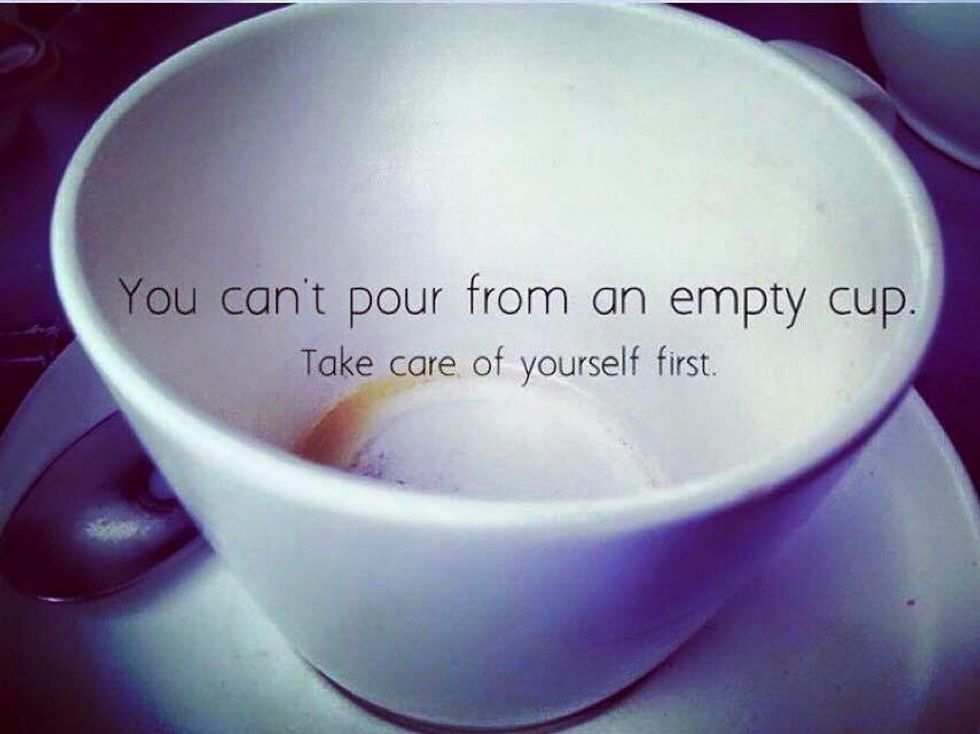


Compassion fatigue is real, and it’s something library workers experience all the time. When you spend your days helping others, especially those facing hardships, you give a lot of yourself. Over time, that constant emotional output can lead to exhaustion, frustration, and even questioning why you chose to do this work in the first place. I say it all the time: “Did I choose the wrong field?” I do love working in a library, but there are many times that I feel like it’s really overwhelming. So, it’s important to recognize when you’re feeling depleted, because ignoring it doesn’t make it go away.

Importance of Self-Care

I recently heard the saying “You can’t pour from an empty cup.” This saying really resonates with me and sounds all too true. It’s easy to see how library workers become overloaded and overstressed. I see it all too often in library-related email threads; so many library workers are looking to leave the field entirely, seeking roles that offer better balance and support. We don’t have to leave the library field entirely to do this. There are some ways we can practice self-care to get that better balance we’re looking for. Some of the things that can help are practicing mindfulness and setting clear boundaries. I’ve experienced this firsthand, and believe me, I wish I could go back in time and set more boundaries, but I can only go forward now, and the boundaries are up! Another big one is practicing saying no instead of always instinctively saying yes. I know this one is hard, especially for someone who wants to please everyone. In the long run, one of the best ways you can practice self-care and set those boundaries is practice saying no. I know it can be hard to say no, but you've got to at least try to say no sometimes.

Another important thing I’ve learned along the way is that a daily self-care routine helps you recharge, stay balanced, and manage stress more effectively. If you can prioritize even a few small self-care habits each day, it can make a big difference in your mental, emotional, and physical well-being, or from a holistic perspective, mind, body, & spirit. Some simple self-care activities I’ve tried to incorporate into my day are journaling my thoughts, going for walks outside, and engaging in a hobby that I love. Another important one is taking time to hydrate and nourish your body. The key here is consistency. Remember that small, intentional acts of self-care add up over time and help you to be healthier, happier, and more resilient.


Navigating the Challenges & Finding Balance


Despite the hard days, many of us stay in this field because we believe in what libraries stand for and we love working with our patrons and our communities. We know the difference libraries can make in people’s lives, and that’s what keeps many of us going. So, here’s what I think will help us to continue doing this work in a way that’s sustainable. We have to take care of ourselves; actually, this is a must! This means setting boundaries, knowing when to step back and say no, and try this one out too, let’s lean on our coworkers and our support systems when we need to. We’ll talk about support systems later in unit four. Here’s another one I fit in quite often—take time off when you need it. This is practicing self-care even if it’s just one day or a half day. This time off is essential in order to refresh and recharge, especially if you are feeling overwhelmed.

Acknowledging Library Work

We all know that library work is important and very meaningful, but we also know that it can be emotionally draining and demanding. Here’s what we can do. We can acknowledge that there are hard parts to library work, but that doesn’t mean that we don’t love the library. We still do. It just means that we need to be honest about the demands and know what we need to do to take care of ourselves.

I’d like to share something that has always been helpful for me. It's talking about my library experiences with other library workers and trusted family members. Whether it's wild stories that happen in the library or sweet stories about helping patrons find books, or even difficulties with other workers or upper management, it really helps to share your experiences. Many times I have felt my passion for libraries falter when something unheard of happens at my library. After talking about it, I feel a lot better, and my passion for my work can be reignited, but sometimes it takes time.

Taking time for yourself and practicing self-care is not selfish. The main key point is that we have to remember that self-care is a necessary element that we need in our lives to thrive.

The more we talk about the challenges of library work, the more we can support each other. One of my goals is to bring library workers together to create a self-care revolution where we all support each other. We have to remember that we are not alone in this work, and we don’t have to navigate it alone or in isolation either. Together we are stronger. By coming together and sharing our experiences and prioritizing our self-care, we can become stronger and more resilient. Send me a message if you're interested in chatting 💛

We're in this together,

the Compassionate Librarian


All images used in this section are licensed through iStock by Getty Images

Sunday, June 22, 2025

Mindful Communication in the Library Workplace


The modern library is a unique ecosystem. It's rich with stories, resources, and people of all ages. One of its greatest strengths? The diversity of its workforce. Today’s library staff might include members of at least five different generations—all working under one roof. With such a broad mix of perspectives, experiences, and communication styles, it’s no surprise that misunderstandings might happen, but with mindful communication it doesn't have to. Mindful communication offers us a way to pause, listen, and connect more intentionally so that no matter your generation or role, you feel seen, heard, valued, and understood.

What Is Mindful Communication?

Mindful communication means slowing down and being fully present in your conversations. It’s about listening without interrupting, choosing words with care, and approaching each interaction with empathy and curiosity—not judgment.

In a busy library environment, this might look like:

  • Giving a colleague your full attention when they’re speaking—even during a hectic reference desk shift.

  • Asking clarifying questions instead of making assumptions.

  • Noticing your tone, body language, and timing (are you interrupting someone’s break or piling on when they’re overwhelmed?).

The Generational Landscape in Libraries

Libraries are one of the few places where five generations often work side by side. Here’s a quick snapshot of some generational tendencies:

  • Silent Generation (born before 1946): May value hierarchy, loyalty, and face-to-face communication.

  • Baby Boomers (1946–1964): Tend to prefer direct conversation, phone calls, and formal structure.

  • Gen X (1965–1980): Known for independence, pragmatism, and a preference for email or text-based communication.

  • Millennials (1981–1996): Often collaborative, tech-savvy, and value feedback and flexibility.

  • Gen Z (1997–2012): Grew up with digital communication and value authenticity, inclusivity, and rapid responsiveness.

These are generalizations, of course, but they can help us to understand why a simple email or staff meeting might land differently depending on who's in the room.

Why Generational Communication Gaps Matter

Miscommunication isn’t always about tone or intent, it’s can often be about expectations. Someone who is good at texting that has a question might expect an immediate answer to, while someone else might wait for the next team meeting to bring it up. Others might prefer to work things out on their own and not in a group, and a few might be looking for team projects.

If we don’t pause to understand these dynamics, we risk frustration, misinterpretation, and fractured teamwork. With awareness and intention, we can build bridges to improve mindful communication.


Tips for Practicing Mindful Speaking

1. Pause Before You Respond: Give yourself a moment to reflect before reacting, especially when you're annoyed, confused, or caught off guard. A thoughtful pause can prevent defensiveness and open the door to curiosity.

2. Practice Active Listening: That means no interrupting, eye contact when possible, and affirming statements like “I hear you” or “Thank you for sharing that.”

3. Be Aware of Your Emotions: Before engaging in a tough conversation or responding to a frustrating situation, check in with yourself. Are you tired, overwhelmed, or feeling triggered? Emotional self-awareness helps you respond thoughtfully rather than react impulsively. A moment of self-reflection can prevent a small issue from escalating.

4. Use Reflective Statements: Show that you’re truly listening by reflecting back what you’ve heard. Phrases like “It sounds like you’re feeling frustrated because the shift schedule changed” or “What I’m hearing is that you’d like more support during busy hours—did I get that right?” help build trust and clarify understanding.

7. Celebrate Our Differences
We all bring something valuable to the library: resilience, innovation, mentorship, fresh ideas. Instead of viewing differences as a negative, we should consider our differences to be our team’s superpower!


Final Thoughts

Mindful communication isn’t about perfection, it’s more about thoughtful intention. When we take the time to connect with curiosity instead of assumption, we create a culture where everyone feels respected. In the end, that’s what libraries are all about: making space for every staff person's opinion and voice. 


Until next time, keep listening with empathy, speaking with care, and making your library a place where every generation feels at home.
💛 the Compassionate Librarian


Saturday, April 26, 2025

Radical Love in the Library: Seeing the Humanity in Everyone

 Getting to the Heart of Library Work


“The wound is the place where the Light enters you.”

— Rumi

When I think of the library, I think about how much I love being surrounded by books and people all day long. I learned about the concept of radical love a very long time ago and I have always been fascinated by the work of the poet Rumi. Radical love is at the very heart of what we library workers do, especially when we serve those the world has overlooked.

Radical love is not cutesy hearts, flowers or hugs and kisses. It’s not warm and fuzzy. It’s not passive. It’s absolutely fierce. It’s uncomfortable and pushes you out of your comfort zone more times than you will know. It requires presence, humility, and the willingness to sit beside someone dealing with internal pain. The key here is that you can't try to erase their pain, but instead, you must embrace it. 

Let's Talk More About Radical Love

Radical love is the kind of love that reaches past convenience and Rumi well-known for writing about this in his poems. Radical love is a love that sees the humanity in everyone and everything. It is not bound by titles, appearances, or how you feel. It is the kind of love that walks straight into the places others turn away from very much like the things we see on the daily at the library. poverty, addiction, grief, fear. Radical love speaks to our vulnerable neighbors, “You belong here too.”

In library work, we are invited on the daily into opportunities to practice this love.

When we speak kindly to someone who’s unhoused.
When we offer warmth to someone who’s angry.
When we are welcoming to someone who’s afraid to ask for our help.

Radical love is not about being perfect or endlessly self-sacrificing. It’s about recognizing our shared humanity and responding with empathy, not ego.


Love as a Path

Rumi’s version of love isn’t something you fall into. It is a path. A discipline. A practice. A way of returning to the heart again and again. When you think about library work, isn’t that what our calling is after all?

Library work challenges us to let go of our assumptions, check our reactions, and show up with compassion, even when we’re tired, even when we don’t get recognition, even when we ourselves are hurting.

There have been many moments in my own journey over the last twenty years in libraries when I realized:

I’m not here to fix people. I’m here to listen to them. Walk beside them. Hold space for their light, even if they can’t see it yet.

Radical love in the library is about choosing compassion, not because it’s easy, but because it’s necessary. It reminds us that our patrons are not problems to be managed, they are people to be seen.


The Poetry of Service and Connection


“Be like a tree and let the dead leaves drop."

— Rumi

There’s something sacred about serving those who are in need and there’s something poetic about connection that blooms in unexpected places. When someone walks through our doors and feels unseen, ignored, or written off by the world, we have the power to "drop our dead leaves" and help them. With one smile, with one hello, we can transform lives.

These are the moments that stay with us 🦋
The teen who finally feels safe enough to open up.
The elderly patron who finds comfort in friendly conversations.
The person experiencing homelessness who smiles when you say hello or welcome.

Radical love is poetry in motion. It is the line between silence and kindness. The rhythm of showing kindness and compassion again and again. This kind of service allows the dead leaves to drop and new foliage to bloom.

Libraries as Sacred Ground

When we root our work in radical love, the library becomes more than a resource hub, it becomes sacred ground. A place where equity lives, where hope can breathe, where transformation quietly takes root. We don't have to call it spiritual. We don't have to name it anything at all. We know it when we feel it. That still, quiet moment when someone realizes they are welcome in the library makes all the difference in the world.


Reflect With Me

Here are a few reflection questions to consider as you think about radical love in your own library work, especially if you're navigating burnout, compassion fatigue, or disconnection:

  • When was the last time you offered a welcoming smile to someone who didn’t expect it and how did it make you feel?


  • What barriers have you had to release in order to serve with your heart?

  • Can you remember a time when someone offered you radical love in your work or life?


Final Thoughts

Radical love doesn’t ask us to fix everything. It asks us to show up. To listen and to remember that the library is more than just a building. It’s a place where everyone should be met with warmth. Where the overlooked are welcomed. Where the work of transformation is happening, but very quietly, on most days.

If you’re doing even just a little right now, you’re already walking that path, so kudos to you!

Here’s to the poetry of your service. Here’s to radical love, even when it’s hard. Here’s to seeing the humanity in every person who walks through our doors.

With fierce love,
the Compassionate Librarian


Sunday, March 2, 2025

The Reality of Library Work: Beyond the Myths

The Reality of Library Work 

by Kimberli Buckley 

March 2, 2025


Beyond the Myths 

Libraries are often seen y the public as quiet, stress-free environments where library staff spend their days reading books and enjoying the silence. While that’s a comforting image, the reality of library work is far more complex. I’d love to explore the common misconceptions we hear everyday, the reality of the emotional toll of public service work, and the deeper truths behind library work. 

Common Misconceptions About Library Work 

Many people assume that working in a library is easy and low-pressure, but those within the field know better. Here are some of the most common misconceptions, along with real-life examples: 

1. Libraries Are Always Quiet – While some libraries do have quiet spaces, many are now bustling community hubs. In an urban public library, staff often manage noise levels from group study sessions, children’s programs, and community events while still providing a welcoming space for all. 

2. You Get to Read Books All Day – Far from it! Library workers juggle tasks such as managing digital collections, assisting patrons with job applications, and teaching computer literacy. For example, in a library, library staff may spend the morning troubleshooting technology issues for seniors and the afternoon coordinate a literacy program for youth. 

3. Libraries Are No Longer Needed  – Really? Despite the rise of digital resources, libraries remain essential. They provide free internet access, free access to books and materials, literacy programs, research assistance, and a safe space for vulnerable community members. For example, many libraries act as a lifeline for residents who lack Internet access at home, have no printers or scanners, and can also give assistance navigating the web, which can help with job searching. Some libraries offer digital eBook collections, where items can be checked out and read on their tablets or phones. Library catalogs are mostly all online now, gone are the old card catalogs. With that in mind, libraries just seem to continue to keep up in this ever-changing  digital world! 

4. Library Work Is Low-Stress – Not so much. Dealing with the public, managing budgets, adapting to changing technology, and addressing social issues like homelessness and mental health crises all contribute to significant workplace stress. A library worker in a busy city branch might find themselves de-escalating a conflict between two patrons while simultaneously troubleshooting a system outage. Many libraries now have to have security on staff to manage the difficult or more challenging patrons.  

The Emotional and Psychological Toll of Working with the Public 

Library workers serve diverse communities, which can be rewarding but also emotionally challenging. Public service roles often involve: 

● Compassion Fatigue – Constantly helping patrons in need, particularly those facing homelessness, addiction, or other crises, can take an emotional toll. Library staff might begin to feel drained after spending each day helping unhoused patrons with their needs, such as finding housing, staying out of the harsh outdoor elements, food, clothing, medical attention, and much more. Unfortunately, the compassion that we feel for our unhoused patrons can take a toll on us and drain our internal batteries down. That’s why taking time to provide self-care for yourself is a must for library workers that frequently work with vulnerable populations.  

● Burnout – Balancing administrative tasks, programming, and frontline service while maintaining emotional energy can lead to exhaustion. Many library workers, for example, may find themselves overwhelmed by increasing demands of tasks to do with low staffing or hiring freezes and with that also comes very limited funding and resources. 

● Conflict Resolution – Library workers often de-escalate conflicts, handle difficult patrons, and navigate emotionally charged situations, adding to workplace stress. An academic librarian might frequently mediate between students and faculty over resource disputes. 

● Mental Capacity – The pressure of meeting community needs with often-limited resources creates an ongoing mental burden. Working solo  in a smaller library, you may need to act as a one-person band, handling the programming, reference, computer help, and clerical work all at one time. 

Discussion of the Common Myths of Library Work 

Beyond individual misconceptions, there are broader myths about the profession that shape public perception: 

● Libraries Are Only About Books – In reality, libraries are community centers offering job assistance, digital literacy training, and mental health resources. Some library staff may spend more time programming and doing outreach. It’s not all about books as some may think. 

● Library Jobs Are Easy To Get – Professional library work sometimes requires specialized degrees such as a Master’s in Library Science, or Library Tech Certificate. Sometime they require experience in skills  from research expertise to program development to crisis intervention.  

● Library Workers Don’t Face Workplace Challenges – This is entirely untrue. Sometimes, the job comes with security concerns, staff shortages, patron complaints, book challenges, and evolving public service demands that require adaptability and resilience. Libraries in more socioeconomically disadvantaged communities struggle with funding, while other libraries in different states might have to navigate political challenges. 

Tips for Handling Overbearing Misconceptions 

For library workers, addressing misconceptions from the public is an ongoing challenge. Here are some ways to handle it effectively: 

1. Educate with Patience – Instead of becoming frustrated, use misconceptions as teachable moments. If someone insists that libraries are no longer relevant, share examples of how they provide essential digital literacy and career development services. 

2. Set Boundaries – Some patrons may expect librarians to be personal tech support, therapists, or social workers. Gently redirect them to appropriate resources while reinforcing the library’s role. 

3. Share Your Personal Experiences – Sometimes, sharing a brief story about a challenging day at the library can help others understand the complexity of the work. 

4. Advocate for the Profession – Public perception shifts when library workers confidently share their expertise and value. Engaging in advocacy efforts through social media or professional organizations can help shift the narrative. 

Final Thoughts 

For many, library work is deeply meaningful and we know from hearing about or experiencing this ourselves. However, there are situations that arise that can be emotionally and mentally demanding. One of the most important things to do is to acknowledge that we are going to hear these myths and misconceptions, but we really need to not take it to heart. Acknowledging these challenges doesn’t diminish our passion that we bring to this field, it actually strengthens our ability to advocate for our own well-being. Someone mentioned to me recently, why aren’t there more television shows or movies about what it’s like to work in a library? It is true, we don’t see that very often. It could possibly be due to all of these myths that people still think we are just sitting around reading books all day at the library and that wouldn't make for a very good show. In contrast to this idea, the movie The Public by Emilio Esteves showcases a lot of what it's like to work at a library. There are a lot of Hollywood stars and some over the top situations, but many of these have occurred at libraries and will continue to happen. 

By debunking the myths or misconceptions, we can foster a greater understanding of the realities of library work while highlighting the incredible impact libraries have on their communities. When we stand up and speak out about the value of libraries, we can ensure that library workers are recognized for their essential contributions and help create a future where we can thrive.

Saturday, February 15, 2025

Pause, Breathe, & Take Time For Yourself


If You’re Reading This, You Might Just Be in Need of Some Self-Care

If you find yourself here at the Compassionate Librarian blog you might be in need of some self-care. The first thing you can do is pause for a moment and take a deep breath. Maybe you’ve been running on empty, giving your all at work, or just feeling stretched too thin. It happens to the best of us. The good news is you can take some time for yourself to practice self-care.

Some days, it’s easy to juggle everything with a smile. But other days? Not so much. Today, for example, I’m not feeling well, and managing my own energy is hard enough—let alone handling complaints, endless questions, and unexpected issues at the library. On days like this, it’s easy to put yourself last because everything feels urgent. But that’s exactly when self-care becomes most important.

What does self-care look like on tough days?
It doesn’t have to be big or elaborate. Sometimes it’s about doing what you can—even if it’s small:

  • Take a break. Step away for five minutes, even if it’s just to breathe or drink water.
  • Lower the bar. Give yourself permission to do the essentials and let go of perfection.
  • Create a small comfort ritual. Have a cup of tea, put on music that calms you, or take a short walk around the building.
  • Ask for help. Lean on your team when you need it. We’re better when we support each other.
  • Remind yourself: This moment will pass. Hard days come and go. Be kind to yourself in the middle of it all.

The reality is, working with the public service can be really demanding. We show up for others, often when we’re not at our best. But self-care is what makes it sustainable. It’s not selfish—it’s survival.

So, if you’re reading this, take a moment for yourself today if you can, if not please try for tomorrow. You’ve earned it. And if all you do is breathe deeply and remind yourself you’re doing your best, that’s enough.


Sending super big hugs!

the Compassionate Librarian

Friday, February 14, 2025

How Helping Others Can Fill Your Cup

When Helping Others is Part of Your Self-Care

For some of us, the act of helping others—whether it’s assisting a patron, checking in on a friend, or simply offering kindness to a stranger—fills our emotional well. We find strength and healing in connection, and giving our time or energy to support others makes us feel good. But how do we balance this when life gets overwhelming?


Why Helping Others Feels So Good

There’s a reason helping others is powerful. Studies show it releases endorphins, reduces stress, and increases feelings of connection. For those of us in service professions—like librarians—it can be both a calling and a coping mechanism. When we help, we feel more grounded, useful, and in tune with our community.

I’ve experienced firsthand that some of my most meaningful moments have come from lending a hand to someone in need, whether it was offering support to a patron experiencing homelessness, listening to a colleague who just needed to vent, or surprising a friend with a small act of kindness. Every time I help someone, I walk away feeling a little lighter and more connected to something bigger than myself.

Balance is Key

For many people, helping others gives you a happy boost, which also supports an overall feeling of well-being. With that in mind, it can sometimes be easy to lose sight of your own needs. If your self-care only involves giving to others, you might eventually feel drained or resentful. I’ve learned (sometimes the hard way!) that it’s okay to set boundaries and say no when you need to recharge.

Here are a few tips I’ve found to Be helpful:

  1. Set boundaries: Be honest with yourself about how much you can give without depleting your own energy.
  2. Find joy in small acts: Not every act of kindness needs to be big. Sometimes holding the door for someone or giving a compliment is enough.
  3. Practice reciprocal care: Surround yourself with people who can also support you when you need it.
  4. Check in with yourself: Ask, “Am I helping because it feels good or because I feel I have to?”

Final Thoughts

If you are like me and helping others is part of your self-care, you should embrace it! Just remember that it’s okay to prioritize your own needs, too. Self-care doesn’t mean you have to stop being compassionate; it means making sure you have the energy to keep giving in meaningful, healthy ways.


Happy Self-Care,

the Compassionate Librarian

Saturday, February 8, 2025

Winter Weather Can be Dangerous for Those Without Shelter


Winter can be a difficult season, but for anyone experiencing homelessness, it can be life-threatening. Here in California, we may not get snow, but cold rain and dropping temperatures still pose serious risks for the unhoused community. Across the country, the weather becomes even harsher—bitter winds, freezing temperatures, and heavy snowfall create dangerous conditions for anyone living outdoors.

Just last week, I witnessed firsthand how quickly cold weather can take a toll. An unhoused man was walking outside the library in the rain, looking exhausted. He eventually laid down on the walkway leading up to the front door. At first, I thought he might just be resting. But then he started jerking upright suddenly and lying back down again. It was clear something was wrong.

I called 911, and EMTs arrived shortly after to assist him. It was a sobering reminder of how dangerous winter weather can be and how important it is for library staff to recognize when someone might need help. The EMTs told me that it was a good thing that I had called them and explained that the man was suffering from hypothermia, a dangerous drop in body temperature caused by prolonged exposure to cold and wet conditions, which lead to his confusion, muscle weakness, and he could have even gone unconscious if he was left untreated.

The Danger of Cold Weather for Unhoused Individuals

Exposure to the elements can quickly lead to serious health issues, including:

  • Hypothermia: When body temperature drops too low, causing confusion, unconsciousness, and even death if untreated.
  • Frostbite: Especially in colder climates, frostbite can damage skin and tissue in minutes.
  • Respiratory Illnesses: Living outside in cold, wet weather can lead to severe illnesses like pneumonia.

How to Respond if an Unhoused Person Needs Medical Help

As library staff, you might be the first to notice when someone needs medical attention. Here’s what you can do:

1️⃣ Stay Calm and Assess the Situation

  • Observe from a safe distance. If the person appears unconscious, confused, or unresponsive, call 911 immediately.

2️⃣ Call for Emergency Help

  • Be clear and detailed with the dispatcher: describe what’s happening, your location, and any visible symptoms.

3️⃣ Offer Assistance, If Possible

  • If the person is alert and able to speak, offer them a blanket or direct them to a nearby shelter or warming center.

4️⃣ Know Your Local Resources

  • Have a list of shelters, warming centers, and outreach services. Sometimes, just offering information can help someone find warmth and safety.

Take A Compassionate Approach

It’s not always easy to know what to do, but it’s always okay to err on the side of caution. Calling 911 can be a lifesaving decision. And while it’s impossible to solve the larger crisis of homelessness on your own, responding with compassion and kindness makes an immediate difference.

Remember, our kindness is really important when it comes to helping unhoused patrons. It’s about being part of the community—helping where you can, and sometimes just being a steady, caring presence when someone needs it most.


Stay warm, stay safe, and stay compassionate. ❤️

Saturday, February 1, 2025

Setting Boundaries with Compassion: Navigating Difficult Patron Interactions


Working in a public library, I’ve always believed in creating a welcoming and inclusive space for everyone. Libraries are often one of the few places where unhoused community members can find shelter, resources, and a sense of belonging, but what happens when a patron’s behavior crosses the line—making staff feel uncomfortable or unsafe?

When Patron Behavior Crosses the Line

At my library yesterday, an unhoused man spent a few hours approaching several of the female staff—asking for their names, phone numbers, and even asking them out on dates. Each time he would ask, they would say NO. His comments became increasingly inappropriate, veering into remarks about their bodies and expressing his desire to "get with them." Even the male staff members felt extremely uncomfortable as the unhoused man approached them and made harassing comments to them about their coworkers. 

At first, the staff tried to brush it off, but as the encounters continued, it became clear that his behavior was out of line. Many staff members were visibly uncomfortable, unsure of how to respond, but they still continued to say NO.

Taking Action Without Escalation

When dealing with difficult situations like this, my goal is always to find a solution that protects the staff while also avoiding unnecessary escalation—especially when police intervention could cause further harm to someone already struggling. It was not our intention to harm the man, only to have him stop making harassing comments. 

Instead of immediately calling law enforcement, I thought we'd try to calmly but firmly let the man know that his behavior was unacceptable and ask him to leave for the day.

The message was clear:
👉 It is NOT appropriate to make comments about staff members’ bodies
👉 It is NOT OK to persist when someone says no
👉 The bottom line is - No means No

At first, the man brushed it off saying, “I’m just a friendly person,” We held firm and reiterated that his behavior was not OK and he had made staff feel uncomfortable. Eventually, he left the library upon our request. 

The Balance Between Compassion and Boundaries

This situation wasn’t easy. Libraries are meant to be safe spaces for both patrons and staff, but we cannot prioritize being "welcoming" at the expense of safety.
📌 Staff should never feel intimidated or unsafe at work.
📌 Patrons should know that inappropriate behavior is not OK.

At the same time, I also recognize the challenges of addressing these issues when they involve vulnerable patrons. Many unhoused individuals lack access to mental health care, social services, and community support. This doesn’t excuse inappropriate behavior—but it does help us approach these moments with humanity and care.

Lessons for Library Staff: How to Handle Similar Situations

If you find yourself facing a similar situation in your library, here are some key takeaways:

✅ Trust Your Instincts & Speak Up
If a patron is making you uncomfortable, you do not have to “just deal with it.” Your safety and well-being matter.

✅ Use Direct, Clear Language
Phrases like “That is not appropriate” or “I need you to stop” send a firm message without inviting debate.

✅ Have a Plan for Escalation
Decide in advance how your library will handle boundary violations. Options may include:

  • A verbal warning
  • A short-term removal from the library
  • A formal ban if behavior continues
  • Involving security or law enforcement only when absolutely necessary

✅ Support Each Other
Library work is tough. Let your coworkers know they have your support. Check in with coworkers after a difficult patron interaction and make sure they feel supported.

✅ You Can Be Compassionate AND Have Boundaries
It’s possible to care about serving all patrons while still enforcing rules that keep everyone safe. Boundaries are not unkind—they allow libraries to function as the safe spaces they’re meant to be.

Final Thoughts

This situation was a reminder that boundaries are necessary—not just for protecting staff, but for ensuring that everyone in the library understands what respectful behavior looks like.

Libraries are essential community spaces, but that doesn’t mean anything goes. We have a responsibility to uphold a culture of safety, respect, and inclusion—for patrons and staff alike.

Have you ever encountered a situation like this in your library? How did you handle it? Let’s start a conversation about creating safer and more supportive library spaces. 💙📚

all my best, 

the Compassionate Librarian

Thursday, January 30, 2025

Helping Unhoused Patrons in the Library: Compassion in Extreme Weather

Many unhoused community members face dangerous conditions in extreme weather. In freezing temperatures in the winter and in scorching heat in the summer make survival into an even greater challenge. Without stable shelter, individuals experiencing homelessness are at high risk for frostbite, heat exhaustion, dehydration, and other life-threatening conditions. 

Libraries often serve as one of the few safe havens, offering warmth in the winter, air-conditioned relief in the summer, and year-round access to information and resources.

In winter as temperatures drop and the cold settles in, life becomes even more challenging for unhoused community members. Freezing nights, limited shelter space, and the daily struggle for warmth and safety make this time of year especially difficult. It is really important for unhoused community  members to know that libraries are welcoming spaces and can play a vital role in providing them with warmth, connection, resources, hope and dignity.

For many unhoused individuals, the library serves as a refuge from the harsh elements. It’s a place where they can warm up, rest for a while, and access essential information that could help improve their situation. But beyond simply being a warm space, libraries have the power to connect patrons with life-saving resources.

With winter is upon us, here are some ways libraries can support unhoused patrons during cold weather months:

1. Know Your Local Resources

Every community has different services available, and being familiar with them can make all the difference. Make a list of:
✅ Nearby warming centers and emergency shelters
✅ Local outreach organizations that provide food, clothing, and health services
✅ Crisis hotlines, social workers, and mental health support services

Having a printable resource guide at the front desk or a dedicated info board with up-to-date service listings can be a lifesaver for patrons who may not know where to turn.

2. Offer Small Comforts When Possible

Even small acts of kindness can make a big difference. Some libraries provide:
🧣 Donation bins with warm gloves, scarves, or socks
🍵 Hot beverage stations (if policies allow) to help patrons stay warm
📚 Community partnerships that provide hygiene kits, hand warmers, or blankets

While libraries may not always have the means to provide direct aid, they can partner with local nonprofits or encourage Friends of the Library groups to help collect and distribute donations.

3. Provide Information Without Judgment

Many unhoused patrons have been turned away from other places or treated with hostility. Simply offering information in a respectful, nonjudgmental way can create a sense of dignity and trust. Instead of saying:
"You can’t stay here all day."
Try:
"It’s getting really cold out and we'll be closing in a few hours. Here’s a list of places where you can warm up or get assistance if you need it."

A compassionate approach can make all the difference in how someone receives help.

4. Encourage Staff Awareness & Empathy

Libraries face a difficult balance—providing support while also enforcing library policies. It’s important to train staff on:
✔ Trauma-informed approaches to interactions with unhoused patrons
✔ De-escalation techniques for handling difficult situations
✔ Setting compassionate boundaries that allow unhoused patrons to feel welcome while keeping the library safe for all

Workshops or staff discussions on serving vulnerable populations can provide guidance on how to help without feeling overwhelmed.

5. Advocate for Long-Term Solutions

Libraries alone can’t solve homelessness, but they can be part of the solution. Advocating for funding, grants, and policies that improve access to social services, mental health support, and affordable housing can make a lasting impact. Some libraries have even partnered with social workers or community liaisons to assist patrons in need.

The Power of Kindness in Hard Times

Winter can an especially harsh season for those without a home, but a warm library, a kind word, and a helpful resource can provide more comfort than we realize. 

What are some ways your library supports unhoused patrons during extreme weather? Let’s share ideas and keep the conversation going. 💙

With care,
the Compassionate Librarian


Sunday, January 26, 2025

Crafting Gratitude: Creative Ways to Say Thank You

Gratitude is a simple but powerful act that has the ability to transform our own outlook and the environment around us. Whether it’s thanking a coworker for their support, expressing appreciation to a family member, or even extending a kind word to a stranger, saying “thank you” can create a ripple effect of positivity that touches everyone involved.

In the busy, often demanding world of library work, it’s easy to get caught up in the rush of daily tasks. But taking a moment to say “thank you” to others can make all the difference. It fosters connection, builds morale, and reminds us of the value we each bring to our shared spaces.

The Impact of Gratitude

When we express gratitude, we:

  • Build Stronger Relationships: A sincere “thank you” strengthens bonds and shows others that their efforts are seen and appreciated.
  • Boost Morale: Gratitude creates a more positive atmosphere, making the workplace feel lighter and more supportive.
  • Reduce Stress: Focusing on what we’re grateful for can shift our mindset, helping us feel more balanced and less overwhelmed.

Ideas for Small Thank-You Gestures

Incorporating gratitude into daily life doesn’t have to be elaborate or time-consuming. Here are some simple ways to spread kindness and positivity:

  1. Leave a Note: A handwritten thank-you note on a coworker’s desk or a quick email of appreciation can brighten someone’s day.
  2. Say It Out Loud: Take a moment to thank someone directly for their help or effort. Even a quick “Thanks for always being so helpful” can mean a lot.
  3. Pay It Forward: Surprise a stranger by paying for their coffee, leaving a kind note in a library book, or donating to a cause in someone’s honor.
  4. Keep a Gratitude Journal: Write down one thing you’re thankful for each day. Over time, it helps you focus on the good things, even on tough days.
  5. Celebrate Small Wins: Thank your team or colleagues when a project wraps up, even for minor contributions—they all add up!

Gratitude in Action

I’ve seen firsthand how a simple gratitude can transform the library environment. One day, after a particularly hectic shift, I thanked a coworker for covering the front desk and helping out. Not only did it make them smile, but it also reminded me to make sure to notice the teamwork that makes our days run smoothly.

These small gestures, repeated over time, create a workplace culture where people feel valued and appreciated. And when people feel appreciated, they’re more motivated, kinder, and better able to weather challenges together.

Craft Ideas for Thank-You's

Here are a few fun and easy craft ideas to express your gratitude and appreciation:

  1. Handmade Thank-You Cards

    • Use colorful cardstock, markers, or stamps to create personalized cards.
    • Add a meaningful note inside about why you appreciate them.
    • For an extra touch, include small details like pressed flowers or washi tape accents.
  2. Gratitude Jars

    • Decorate a mason jar with ribbons, paint, or stickers.
    • Fill it with handwritten notes of appreciation or affirmations for the recipient to read when they need a boost.
    • Perfect for a coworker, mentor, or someone who has been a steady source of support.
  3. DIY Bookmarks

    • Create bookmarks using sturdy paper or laminated designs.
    • Add a thoughtful message, a quote about gratitude, or even their favorite colors.
    • This is an especially great idea for fellow book lovers or patrons.
  4. Mini Care Packages

    • Put together a small bundle of goodies, such as tea bags, chocolate, or a scented candle.
    • Include a note or tag that says, “Thank you for all you do.”
    • It’s an easy way to show appreciation in a tangible and thoughtful way.
  5. Gratitude Wall or Bulletin Board

    • Set up a gratitude space at work where everyone can pin thank-you notes to coworkers.
    • Decorate it with colorful paper, inspirational quotes, or themes that reflect your library.


Crafting Gratitude Together

Gratitude crafts are a great way to practice mindfulness and creativity. Taking time to create something thoughtful allows you to slow down, focus on the positive, and enjoy the process of expressing your appreciation.

Why not challenge yourself to create one of these thank-you crafts this week? Whether it’s a handmade card, a small token, or a heartfelt note, your gesture of gratitude could make someone’s day brighter!


With care and creativity,
the Compassionate Librarian


Saturday, January 18, 2025

Libraries Need to Step Up & Support Their Workers

I work in a public library, and while it’s a job I truly love, I’ve found it can sometimes be incredibly challenging, especially when working with unhoused patrons or those facing difficult circumstances. There have been days when the situations I encounter weigh heavily on me. I have so much compassion for these individuals, but there are times when I feel drained and overwhelmed, trying to navigate them to safety while also feeling responsible for their well-being because they are so vulnerable.

The experiences I have had helping unhoused patrons has made me reflect on what Libraries need to do to be more supportive for the staff who show up every day and pour their hearts into their work. 

Here are some practices that Libraries should provide for their workers. These come from my own experiences and through learning from others in the field:

1. Training for Staff

Professional development and training are essential in library work. Providing staff with training gives them the skills to approach challenging interactions with kindness and understanding. This can include:

  • De-escalation techniques to handle tense or potentially unsafe situations.
  • Trauma-informed care to better support patrons who may be experiencing crises.
  • Active listening skills to truly hear and understand patron needs.
  • Team building skills are very helpful as well. 

When staff feel prepared to manage tough interactions, it not only reduces their stress but also creates a more supportive environment for patrons.

2. Peer Support Groups

Working in a library, especially with vulnerable populations, can take an emotional toll. Peer support groups give staff a space to connect, vent, and share strategies for managing the challenges of the job. These groups:

  • Create a judgment-free zone to discuss workplace stress.
  • Provide validation and encouragement from coworkers who understand the struggles firsthand.
  • Help staff feel less isolated and more supported.

Sometimes, just knowing someone else has been through a similar experience can make all the difference.

3. Clear Policies for Safety and Inclusion

Safety and inclusion go hand in hand. Having clear, consistently enforced policies helps staff feel secure and ensures patrons know what to expect. Some important policies to consider include:

  • A zero-tolerance policy for harassment or violence toward staff or other patrons.
  • Conflict resolution protocols that staff can easily follow in challenging situations.
  • Inclusivity guidelines to ensure all patrons feel welcome, regardless of their background or circumstances.

These policies create a foundation of trust and mutual respect in the library.

4. Design Spaces with Safety & Support in Mind

The physical layout of a library can have a big impact on how safe and welcoming it feels. Some ideas include:

  • Quiet zones where patrons can decompress without distractions.
  • Comfortable staff break areas for much-needed downtime during busy shifts.
  • Universal accessibility to ensure everyone, including those with disabilities, can fully access the library’s resources.
  • Private areas where sensitive conversations or referrals can take place.

Even small changes, like adding soothing colors or natural lighting, can make a space feel more inviting.

5. Foster a Culture of Care

Library support should start from the top down. When leadership prioritizes staff well-being, it trickles down to create a more caring environment for everyone. Some ways to foster this culture include:

  • Acknowledging and celebrating staff achievements.
  • Encouraging breaks and mental health days without guilt.
  • Checking in with staff regularly to see how they’re doing and what support they need.
  • Offering flexibility wherever possible to support work-life balance.

When staff feel cared for, they’re better able to extend that care to patrons.

6. Finding Partners to Help & Support

Libraries don’t have to go it alone. Partnering with local organizations can provide staff and patrons with additional resources and support. Examples include:

  • Hosting workshops on mental health or conflict resolution for staff and patrons.
  • Providing resource guides or referrals for unhoused individuals.
  • Partnering with social workers or mental health professionals for on-site assistance.

These partnerships can strengthen the library’s ability to serve its community while reducing the burden on staff.

7. Prioritize Self-Care for Staff

In the midst of serving our communities, it’s easy for library staff to forget to care for themselves. Yet self-care is essential. It helps us recharge, manage stress, and avoid burnout, especially when navigating the unique challenges of library work. Recognizing this, I am creating a self-care course tailored specifically for library workers. This course will e offered to ALA members as a free resource and will offer practical tools and strategies to help library workers prioritize their well-being while continuing to make a meaningful impact in their communities. 

Here are some ways that Libraries can encourage and support self-care:
  • Offer Dedicated Self-Care Training: Provide courses and workshops focused on stress management, mindfulness, and work-life balance. (I’m currently designing a self-care course tailored specifically for library workers to serve as a resource for their well-being!)
  • Encourage Breaks: Ensure staff feel supported in taking their full breaks without guilt or pressure.
  • Create a Culture of Self-Care: Model self-care at all levels of leadership, so staff know it’s a priority, not an afterthought.
  • Provide Mental Health Resources: Share information about local counselors, helplines, or stress-relief programs.

When staff practice self-care, they’re better equipped to support patrons and foster a positive, compassionate library environment.

Navigating Through Complex Challenges

Working in a library means navigating complex challenges, but it also means having the opportunity to create meaningful change. By focusing on empathy, safety, and support, we can make libraries more compassionate spaces for everyone, both staff and patrons.

What are some ways your library has fostered safety and compassion? I’d love to hear your ideas and experiences if you'd like to share.


With care and compassion,

the Compassionate Librarian


Thursday, January 16, 2025

Self-Care for Library Workers


 I'm designing a new course called Self-Care for Library Workers! It's going to be such a great resource for anyone that works in a library. I can't wait to share the course with you. If you have any ideas you want to share with me, please feel to post in the comments.

All the best,

the Compassionate Librarian


Wednesday, January 15, 2025

Celebrating the Heart of Library Work

I always say you never know what a day at the library will bring. Some days, it feels like we’re navigating a storm—rushing to put out fires, managing long lines at the desk, and juggling the many unexpected challenges that come our way. With all of that, there are many wonderful moments that remind us why we’re here, the moments that make all the hard work feel worthwhile.

I’ll never forget one particularly busy day. There were patrons lined up out the door. The phone wouldn’t stop ringing, the printer was broken, and a frustrated patron let me know in no uncertain terms just how upset they were about the situation. By the end of my shift, I felt drained and overwhelmed, questioning myself on why I do this work.


Just as I was wrapping up my day, something remarkable happened. A teen patron I had helped earlier that week returned to the library. She was clutching the book I had helped her pick out. When she saw me she had the biggest smile. She told me how much she loved the book and that it had inspired her to start writing a story of her own. That small interaction completely made my day!

Finding Joy in Small Moments

Helping people is really the heart of library work: the connections we make and the lives we touch. All in the middle of a chaotic day. This really breaks through the noise and reminds me why I do what I do.

I’ve also found immense joy in mentoring new librarians. Recently, I worked with a new staff member who was eager but nervous about their first few weeks on the job. I offered guidance on how to manage tough patron interactions, shared tips for staying organized, and how to navigate the reference desk, I also told them to contact me if they needed anything. Seeing their confidence grow over time was incredibly rewarding. It was a strong reminder of how our work goes beyond books and services.

Balancing the Highs and Lows

Library work can be challenging, but those moments of connection, inspiration, and growth are what keep us going. Whether it’s helping a patron find the information they need, inspiring someone to try something new, or finding resources for an unhoused patron, these small victories remind us of the profound impact libraries have on people’s lives.

A Celebration of Purpose

The heart of library work isn’t in the policies, the systems, or the endless tasks we manage. It’s in the stories—the ones we help others create and the ones we create for ourselves through the connections we make.

So, on those tough days, when it feels like everything is going wrong, I try to hold on to those moments of joy. They’re small, but they’re mighty, and they make all the difference.

What are the moments that remind you of why you love library work? I’d love to hear your stories.

With joy and gratitude,
The Compassionate Librarian


Connecting the Dots - Wearing Too Many Hats

It’s All About the Hats I've spent the last several weeks designing an ALA eLearning course called Wearing Too Many Hats . When I say ...