Showing posts with label reflection. Show all posts

Saturday, April 19, 2025

Out of the Cave and Into the Library: Finding Light in a World of Shadow


Why Are We Hiding in the Shadows?


“Awakening is like turning on a light. You can’t make someone see it, but once you do, you can never unsee the truth.”

Unknown

A Peek Into Plato’s Cave

There’s a reason Plato’s Allegory of the Cave still echoes through time. It’s not just a tale from ancient philosophy, it’s a story grounded in reality.

Imagine this, you’ve been living in a dark cave your entire life, chained in place, only able to see the wall in front of you. Behind you, there’s a fire. And between the fire and your back are people walking by, carrying objects, but you can’t see them. You can only see their shadows on the wall. That’s your whole world. The shadows become your truth.

Then one day, you break free. You stumble out of the cave and into the light. At first, it’s blinding. Confusing. Overwhelming. But slowly, your eyes adjust. You begin to see what the world really looks like—color, form, depth, real people and not just shadows.

And here’s the twist, once you understand the truth, you feel called to go back into the cave. To help others wake up. To say, “Hey… what you’re seeing isn’t the whole story.”

But not everyone wants to hear about it. Because stepping into the light means letting go of what’s familiar.

Plato’s cave is a metaphor for the illusions we live with, the beliefs we don’t question, and the journey toward deeper awareness. It’s about awakening. More importantly, it’s about the courage it takes to go back and hold the light for others.

We’ve all been there, haven’t we? Sitting in a dark cave, staring at the flickering shadows on the wall, wondering how to get out or if we even can. Maybe it’s a job, a fear, a system, or even a version of yourself you never meant to become. The shadows become familiar. Even comforting.

And then something shifts.

Suddenly, you’re stumbling toward the light, blinking your way into a new way of thinking or feeling. Sometimes we assume things will always stay the same, and we grow complacent. Do you want to know what I think? You can break free. It might not look the way you might expect it to be, but it’s possible.

For me, that realization first came when I read Plato’s Allegory of the Cave. It was a true aha! moment for me. I began to see that I didn’t have to stay in the dark. That I could choose to step toward the light, even if it was uncomfortable at first. Even if I had to find my own way. I've had to do that many times in my life, I went through a horrible divorce, awful custody battle, dealt with cancer, and lost loved ones. 

The Library as a Threshold

Because I'm a librarian through and through, it means a lot to me to relate this idea of going from the shadows to the light in relation to the library and the work we do. The library is so much more than a building filled with books. It’s a definitely a space for expansion, a threshold between who we are and who we’re going to be. I'm not the same person that I was when I started working in a library all those years ago. Ultimately, when you work in a library you realize that it’s a place where your perception of reality gets challenged and your creativity can bloom.

In a world that is constantly telling us who we are and who we’re supposed to be, libraries whisper, “What do you want to be?” Libraries push our boundaries and stretch us. We can't be contained in the "cave" because as the years go by we expand and grow. This reminds me of when I first started working in a public library. I'd just finished graduate school and was feeling somewhat lost. I didn't know what I wanted to do with my life. What was my career path? I wondered, would it magically appear for me? My first few months working in the library I knew this was place and these were my people. From there, I made the decision to go back to school and get my master's in library science. 

I've been working in libraries now for twenty years and for me it is more than just a workplace, it's a place of awakening. Through books, conversations, programs, and working closely with vulnerable community  members I have been able to help so many people. I have witnessed the good and unfortunately the difficult unfold. I will always cherish those small moments like when I helped an underprivileged teen find other teens to bond and socialize with, or when someone who is unhoused whispers “thank you” because they finally felt seen.

The Shadows Still Linger

Let’s be honest: even in libraries there are shadows. These are the shadows we’re still fighting everyday. Censorship, underrepresentation, misinformation, burnout, and the invisible systems that shape who gets to speak and who gets silenced. We should not fear these shadows, that’s also why we do the work we do and why it matters. Because we’re not just reading books all day long (although, that's what many people think), we are actually holding up the lanterns to light the way through the shadows. We need to keep walking, even when the light is uncomfortable. We must continue to walk through the shadows ourselves.

Searching for the Light, Together

Plato’s cave isn’t just about leaving the shadows, it’s about returning and going back for the others. It's about carrying the light with you, even when you’re tired, even when your voice shakes, even when no one applauds you for it and this happens so much in the library world. I hope you will believe in illumination over illusion. Keep up the work you are doing, you matter, your questions matter, taking care of yourself matters, and your transformation matters.

Maybe that’s why I’m still here. I feel like I've wanted to give up so many times and move on from the library. There's this voice inside of me that says, you're not done yet and this keeps me hanging on. 


Stepping Out Beyond the Cave

Awakening doesn’t always feel like a grand moment. Sometimes it’s quiet. Sometimes it’s painful. Sometimes, it’s just choosing to ask one more question, pick up one more book, or believe in one more possibility. Sometimes, it’s when you feel the most lost and lonely and then suddenly, you find a little piece of yourself and you come back into the light.


We don’t escape the cave once and for all. We do it over and over again. When we choose growth over standing still. When we question what we’ve been told. When we decide to turn and face the light. In the end, the journey out of the cave isn’t about having all the answers, it's about moving forward and embracing the change. It’s about knowing you can keep seeking and maybe, just maybe it's about turning around and offering your hand to someone else who’s still hanging in the shadows.


Thank you for joining me on this journey through the Consciousness Archives. I'll be back next week to offer more thought provoking ideas on the interconnectedness and mutual interdependence of all things in the universe and of course that includes my favorite place, the library!

Here's to seeing the light,

the Compassionate Librarian

Monday, April 14, 2025

Welcome to The Consciousness Archives


                    The Consciousness Archives:

A cosmic exploration of spirit, storytelling, and the soul of librarianship

I am putting this new blog series out into the universe. The focus is somewhere between the nature of consciousness and the chaos of the returns desk, between ancient myths and modern burnout, between sacred scrolls and staff meetings. That's a lot of wide open space to cover and a lot of cosmic energy to summon, and yet that's exactly where this new blog series belongs. 

Let's dig deep into the depths of our library souls and focus on:

Why we do what we do
Who we are beneath the badge, the title, and the book bag

Libraries are in a state of emergency
Emotionally - Spiritually - Existentially

We are underfunded, undervalued, and overextended. Or as George Washington in Hamilton would say, "We are outgunned, outmanned, outnumbered, and outplanned."

Here's an idea: Let's weaponize our compassion. Let's set our energy together, collectively.
Think about this too. 

Why do we stay? 

We do we keep showing up?


This is why: We fan the flames of truth and information, we share the stories, and we are the protectors of the library.


My plan for this blog is big. I want it to be a space to remember what’s been lost, and to never doubt that there is still so much hope and possibility for libraries still. 

What this series is about:

  • A reflective, sometimes playful, always meaningful exploration of the deeper dimensions of library work.

  • A fusion of myth, metaphor, philosophy, psychology, and good library spirit.

  • A personal archive of insights drawn from my experiences as a library manager, educator, mentor, and survivor of more than one epic workplace plot twist.

What It Is Not About:

It’s not about fixing the system it’s about reclaiming what's been hollowed out within it.


What You’ll Find In The Consciousness Archives:

  • Musings about the shadow side of librarianship.

  • Reflections on burnout, resilience, leadership, and many stories.

  • Thoughtful experiments 

  • Invitations to explore your own personal myth or bag o’ burdens (yes, you’re allowed to unpack it here).

  • Consciousness-raising activities and journal prompts to reconnect with your inner library spirit.

This is the series I wish had existed when I was burning out in silence.
This is for the library worker crying in the breakroom.
This is for the library student unsure if they made the right choice.
This is for the library staff that want to change careers

This is for you if you're reading this. 
Because maybe, just maybe, it's not about archiving files and books right now.
Maybe it's about archiving the human experience.

Let’s get cosmic
Let’s get conscious
Let’s remember who we are

The Consciousness Archives begins now.

Stay strong,

the Compassionate Librarian

Saturday, February 15, 2025

Pause, Breathe, & Take Time For Yourself


If You’re Reading This, You Might Just Be in Need of Some Self-Care

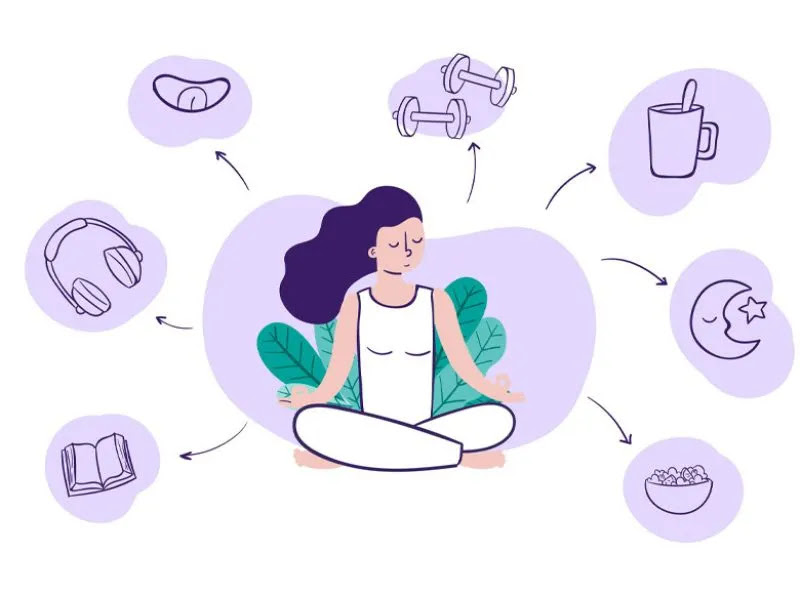
If you find yourself here at the Compassionate Librarian blog you might be in need of some self-care. The first thing you can do is pause for a moment and take a deep breath. Maybe you’ve been running on empty, giving your all at work, or just feeling stretched too thin. It happens to the best of us. The good news is you can take some time for yourself to practice self-care.

Some days, it’s easy to juggle everything with a smile. But other days? Not so much. Today, for example, I’m not feeling well, and managing my own energy is hard enough—let alone handling complaints, endless questions, and unexpected issues at the library. On days like this, it’s easy to put yourself last because everything feels urgent. But that’s exactly when self-care becomes most important.

What does self-care look like on tough days?
It doesn’t have to be big or elaborate. Sometimes it’s about doing what you can—even if it’s small:

  • Take a break. Step away for five minutes, even if it’s just to breathe or drink water.
  • Lower the bar. Give yourself permission to do the essentials and let go of perfection.
  • Create a small comfort ritual. Have a cup of tea, put on music that calms you, or take a short walk around the building.
  • Ask for help. Lean on your team when you need it. We’re better when we support each other.
  • Remind yourself: This moment will pass. Hard days come and go. Be kind to yourself in the middle of it all.

The reality is, working with the public service can be really demanding. We show up for others, often when we’re not at our best. But self-care is what makes it sustainable. It’s not selfish—it’s survival.

So, if you’re reading this, take a moment for yourself today if you can, if not please try for tomorrow. You’ve earned it. And if all you do is breathe deeply and remind yourself you’re doing your best, that’s enough.


Sending super big hugs!

the Compassionate Librarian

Friday, February 14, 2025

How Helping Others Can Fill Your Cup

When Helping Others is Part of Your Self-Care

For some of us, the act of helping others—whether it’s assisting a patron, checking in on a friend, or simply offering kindness to a stranger—fills our emotional well. We find strength and healing in connection, and giving our time or energy to support others makes us feel good. But how do we balance this when life gets overwhelming?


Why Helping Others Feels So Good

There’s a reason helping others is powerful. Studies show it releases endorphins, reduces stress, and increases feelings of connection. For those of us in service professions—like librarians—it can be both a calling and a coping mechanism. When we help, we feel more grounded, useful, and in tune with our community.

I’ve experienced firsthand that some of my most meaningful moments have come from lending a hand to someone in need, whether it was offering support to a patron experiencing homelessness, listening to a colleague who just needed to vent, or surprising a friend with a small act of kindness. Every time I help someone, I walk away feeling a little lighter and more connected to something bigger than myself.

Balance is Key

For many people, helping others gives you a happy boost, which also supports an overall feeling of well-being. With that in mind, it can sometimes be easy to lose sight of your own needs. If your self-care only involves giving to others, you might eventually feel drained or resentful. I’ve learned (sometimes the hard way!) that it’s okay to set boundaries and say no when you need to recharge.

Here are a few tips I’ve found to Be helpful:

  1. Set boundaries: Be honest with yourself about how much you can give without depleting your own energy.
  2. Find joy in small acts: Not every act of kindness needs to be big. Sometimes holding the door for someone or giving a compliment is enough.
  3. Practice reciprocal care: Surround yourself with people who can also support you when you need it.
  4. Check in with yourself: Ask, “Am I helping because it feels good or because I feel I have to?”

Final Thoughts

If you are like me and helping others is part of your self-care, you should embrace it! Just remember that it’s okay to prioritize your own needs, too. Self-care doesn’t mean you have to stop being compassionate; it means making sure you have the energy to keep giving in meaningful, healthy ways.


Happy Self-Care,

the Compassionate Librarian

Tuesday, January 28, 2025

Mental Health Resources for Self-Care

Libraries are wonderful and you're surrounded by books, which is amazing, but if you are library staff or volunteer at a library you may find it can sometimes be emotionally and/or mentally draining. Library staff juggle a variety of roles. We help patrons in need, manage community challenges, and balance the growing demands of our tasks. With such a wide range of responsibilities, it’s easy to feel stretched thin. That’s why taking care of your mental health is so important.

Today, I want to share a variety of tips and resources that can help. Whether you’re dealing with compassion fatigue, workplace stress, overwhelmed with school assignments, or just need a moment to breathe, there’s something here to help with your well-being.

Tips for Protecting Your Mental Health

  1. Set Boundaries

    • Know your limits when working with challenging patrons or overwhelming workloads. It’s okay to say no or ask for help when you need it.
    • Establish clear times for breaks, even if it’s just stepping away for five minutes.
  2. Practice Mindfulness

    • Take a few moments during your day to pause and breathe. Apps like Calm or Insight Timer offer guided meditations perfect for quick mental resets.
    • Practice grounding techniques, like focusing on five things you can see, four you can touch, three you can hear, two you can smell, and one you can taste.
  3. Lean on Peer Support

    • Connect with coworkers to share experiences, frustrations, and strategies. Peer support groups can make a big difference in feeling less isolated.
    • Celebrate small wins together, like successfully managing a difficult situation or hosting a successful program.
  4. Find a Hobby or Start a Creative Project

    • Engaging in a hobby or creative activity can work wonders for your mental health. Whether it’s painting, gardening, writing, or learning a new skill, doing something you enjoy can help you unwind and bring joy to your day.
    • If you’re not sure where to start, think about something you’ve always wanted to try. A new creative project might be just what you need to recharge.
  5. Spend Time with Friends or Loved Ones

    • Social connection is a powerful way to relieve stress and improve mental health. Plan an outing with friends or family—a hike in nature, lunch at a favorite spot, or a visit to a tea café for a cozy teatime treat.
    • Remember the phrase “Treat Yo’ Self.” Whether it’s splurging on a fancy dessert or booking that much-needed massage, doing something fun with loved ones can lift your spirits and help you feel supported.
  6. Stay Active

    • Movement can do wonders for your mental health. Take a walk during lunch or try a quick stretch behind the desk.
    • Incorporate physical activity into your routine to help manage stress and improve focus.


Mental Health Resources

  • Crisis Text Line: Text HOME to 741741 to connect with a trained crisis counselor
  • Library Worker Trauma Support Website - https://urbanlibrariansunite.org/ults
  • National Suicide Prevention Lifeline: Call or text 988 for free, confidential support 24/7
  • Hotlines and Support Services

    • NAMI HelpLine:

      • Call 800-950-NAMI (6264)
      • Text "HelpLine" to 62640
      • Chat with a specialist on NAMI.org
    • Veterans Crisis Line:

    • Disaster Distress Helpline:

      • Call 1-800-985-5990
      • Text "TalkWithUs" to 66746

    Apps

    • Calm – Offers guided meditations, sleep stories, and relaxation tools.
    • Headspace – Great for learning meditation and mindfulness techniques.
    • Sanvello – Focuses on stress and anxiety management with tools and journaling features.


    Books to Explore

    • Burnout: The Secret to Unlocking the Stress Cycle by Emily Nagoski and Amelia Nagoski
    • The Cure for Burnout by Emily Ballesteros
    • The Self-Care Solution: A Year of Becoming Happier, Healthier, and Fitter by Jennifer Ashton
    • Trauma Stewardship: An Everyday Guide to Caring for Self While Caring for Others by Laura van Dernoot Lipsky
    • Self-care for People With ADHD: 100+ Ways to Recharge, De-stress, and Prioritize You! by Sasha Hamdani
    • Real Self-Care: A Transformative Program for Redefining Wellness (Crystals, Cleanses, and Bubble Baths Not Included) by Pooja Lakshmin
    • Find Your Unicorn Space: Reclaim Your Creative Life in a Too-Busy World by Eve Rodsky


    Creating a Library Culture of Mental Health Awareness

    Beyond personal self-care, it’s important for library leadership to foster an environment where mental health is prioritized. Some ideas include:

    • Offering mental health days for staff.
    • Hosting workshops on managing stress and compassion fatigue.
    • Creating quiet spaces in the library where staff can decompress.
    • Partnering with local mental health organizations to provide additional resources.

    Remember You Are Not Alone

    If you’re feeling overwhelmed, remember that you’re not alone. There are tools, resources, and people who care about your well-being. Take time to check in with yourself, lean on your support system, and explore the resources that work best for you.

    If you ever feel like you’re in crisis or may harm yourself, please seek professional help immediately. There is strength in asking for help, and support is just a call or text away.


    With care and support,

    the Compassionate Librarian

    Sunday, January 26, 2025

    Crafting Gratitude: Creative Ways to Say Thank You

    Gratitude is a simple but powerful act that has the ability to transform our own outlook and the environment around us. Whether it’s thanking a coworker for their support, expressing appreciation to a family member, or even extending a kind word to a stranger, saying “thank you” can create a ripple effect of positivity that touches everyone involved.

    In the busy, often demanding world of library work, it’s easy to get caught up in the rush of daily tasks. But taking a moment to say “thank you” to others can make all the difference. It fosters connection, builds morale, and reminds us of the value we each bring to our shared spaces.

    The Impact of Gratitude

    When we express gratitude, we:

    • Build Stronger Relationships: A sincere “thank you” strengthens bonds and shows others that their efforts are seen and appreciated.
    • Boost Morale: Gratitude creates a more positive atmosphere, making the workplace feel lighter and more supportive.
    • Reduce Stress: Focusing on what we’re grateful for can shift our mindset, helping us feel more balanced and less overwhelmed.

    Ideas for Small Thank-You Gestures

    Incorporating gratitude into daily life doesn’t have to be elaborate or time-consuming. Here are some simple ways to spread kindness and positivity:

    1. Leave a Note: A handwritten thank-you note on a coworker’s desk or a quick email of appreciation can brighten someone’s day.
    2. Say It Out Loud: Take a moment to thank someone directly for their help or effort. Even a quick “Thanks for always being so helpful” can mean a lot.
    3. Pay It Forward: Surprise a stranger by paying for their coffee, leaving a kind note in a library book, or donating to a cause in someone’s honor.
    4. Keep a Gratitude Journal: Write down one thing you’re thankful for each day. Over time, it helps you focus on the good things, even on tough days.
    5. Celebrate Small Wins: Thank your team or colleagues when a project wraps up, even for minor contributions—they all add up!

    Gratitude in Action

    I’ve seen firsthand how a simple gratitude can transform the library environment. One day, after a particularly hectic shift, I thanked a coworker for covering the front desk and helping out. Not only did it make them smile, but it also reminded me to make sure to notice the teamwork that makes our days run smoothly.

    These small gestures, repeated over time, create a workplace culture where people feel valued and appreciated. And when people feel appreciated, they’re more motivated, kinder, and better able to weather challenges together.

    Craft Ideas for Thank-You's

    Here are a few fun and easy craft ideas to express your gratitude and appreciation:

    1. Handmade Thank-You Cards

      • Use colorful cardstock, markers, or stamps to create personalized cards.
      • Add a meaningful note inside about why you appreciate them.
      • For an extra touch, include small details like pressed flowers or washi tape accents.
    2. Gratitude Jars

      • Decorate a mason jar with ribbons, paint, or stickers.
      • Fill it with handwritten notes of appreciation or affirmations for the recipient to read when they need a boost.
      • Perfect for a coworker, mentor, or someone who has been a steady source of support.
    3. DIY Bookmarks

      • Create bookmarks using sturdy paper or laminated designs.
      • Add a thoughtful message, a quote about gratitude, or even their favorite colors.
      • This is an especially great idea for fellow book lovers or patrons.
    4. Mini Care Packages

      • Put together a small bundle of goodies, such as tea bags, chocolate, or a scented candle.
      • Include a note or tag that says, “Thank you for all you do.”
      • It’s an easy way to show appreciation in a tangible and thoughtful way.
    5. Gratitude Wall or Bulletin Board

      • Set up a gratitude space at work where everyone can pin thank-you notes to coworkers.
      • Decorate it with colorful paper, inspirational quotes, or themes that reflect your library.


    Crafting Gratitude Together

    Gratitude crafts are a great way to practice mindfulness and creativity. Taking time to create something thoughtful allows you to slow down, focus on the positive, and enjoy the process of expressing your appreciation.

    Why not challenge yourself to create one of these thank-you crafts this week? Whether it’s a handmade card, a small token, or a heartfelt note, your gesture of gratitude could make someone’s day brighter!


    With care and creativity,
    the Compassionate Librarian


    Monday, January 20, 2025

    The Benefits of Taking Your Lunch Break


    In the fast-paced world of library work, it can be all too easy to skip your lunch break or spend it glued to your desk. There’s always another patron to help, a program to plan, or emails to answer. But here’s the truth: skipping your break doesn’t make you more productive—it makes you more exhausted. I've skipped my lunch break many times only to find myself feeling completely worn out and unable to focus by late afternoon. It is definitely not worth skipping. Taking your lunch break is a matter of self-care and a big necessity. We need a real, intentional break in the middle of our day which can help us reset, recharge, and refocus, making the rest of the day more manageable and enjoyable. 


    Let’s explore why lunch breaks matter and how you can make the most of them.

    Why Your Lunch Break Matters

    1. Boosts Your Productivity: Stepping away from work, even for 30 minutes, helps your brain rest and recharge, making you more effective when you return.
    2. Reduces Stress: Taking time for yourself, especially if you can step outside or do something enjoyable, lowers stress levels and improves overall mood.
    3. Supports Physical Health: Eating mindfully and giving your body time to relax during lunch can improve digestion and prevent burnout.


    How to Reclaim Your Lunch Break

    Here are some simple strategies to ensure your lunch break becomes a moment of restoration, not just another item on your to-do list:

    1. Step Outside

    • Spending even a few minutes outdoors can work wonders. Fresh air, sunlight, and a change of scenery can help you feel more grounded and refreshed.
    • If your library is in a busy area, find a nearby park, or even take a quick stroll around the building.

    2. Eat Mindfully

    • Instead of rushing through your meal or multitasking, take the time to enjoy your food.
    • Put away screens, savor each bite, and focus on how your meal tastes and feels. Mindful eating not only enhances your lunch experience but also aids digestion and reduces stress.

    3. Journal or Reflect

    • Use part of your lunch break to jot down your thoughts, reflect on your day so far, or set intentions for the rest of it.
    • A small notebook or a journaling app can be a great companion for clearing your mind and boosting creativity.

    4. Engage in a Relaxing Activity

    • Listen to your favorite music or podcast, read a few pages of a book, or do a quick meditation.
    • Activities like these can help you recharge without feeling rushed or overwhelmed.

    5. Socialize (only if it’s energizing for you)

    • If you enjoy connecting with coworkers, invite a colleague to join you for lunch or a short walk. Sharing a break can foster camaraderie and make your day feel lighter.

    6. Protect Your Break Time

    • Set boundaries to ensure you actually take your break. Let coworkers know you’re unavailable during lunch, and avoid checking work emails or tasks.


    Making It a Habit

    Reclaiming your lunch break starts with prioritizing it. Add it to your schedule like any other important appointment. Remember, you deserve this time to care for yourself—it’s not a luxury, but a critical part of staying balanced and effective in your work.


    Share Your Lunch Break Wins

    Do you have a favorite way to spend your lunch break? Whether it’s a mindful walk, a delicious meal, or a few moments of quiet, I’d love to hear your tips and experiences in the comments!


    With Care & Concern,
    the Compassionate Librarian

    Thursday, January 16, 2025

    Self-Care Routines for Better Life Balance


    Let's talk about how to incorporate self-care into your day. If you work in a library, you know that it can sometimes be stressful. Starting a self-care routine can create a sense of balance and help you transition smoothly between work and personal life. Your routine doesn't have to be elaborate, just a few mindful minutes can help to make a big difference. Remember, by carving out intentional time for self-care, you're supporting your own well-being.

    Morning Routines

    Starting your day with intention can help you feel grounded and prepared for whatever challenges lie ahead. Here are some simple routines to incorporate into your morning:
    1. A Morning Mantra

      • Begin your day with a phrase that inspires calm and focus, such as:
        "I am prepared for this day. I will approach challenges with compassion and patience."
      • Repeat it to yourself while sipping your morning coffee or tea to center your thoughts.
    2. Stretch or Move Your Body

      • Take five minutes to stretch or do light exercises to release tension and energize your body. Even a short walk outside can help clear your mind.
    3. Set Your Intention

      • Before heading to work, think about one positive goal for the day. It could be as simple as helping one patron with a smile or taking a mindful moment during a busy shift.
    4. Gratitude Practice

      • Reflect on one thing you’re grateful for before starting your day. Gratitude can shift your mindset and set a positive tone.

    Afternoon or Evening Routines 

    Ending your day with a few moments of self-care can help you leave work behind and transition into relaxation mode:

    1. A Quick Reflection

      • Spend a couple of minutes reflecting on your day. Ask yourself:
        • What went well today?
        • What am I proud of?
        • What can I let go of?
      • This allows you to celebrate small wins and release stress.
    2. Unplug and Reset

      • Avoid checking work emails or messages once your shift ends. Create a boundary between work and personal time to recharge fully.
    3. Evening Routine of Gratitude

      • Write down one or two things you’re grateful for from your day, such as a kind word from a coworker or a successful program.
    4. Relaxation Practice

      • Engage in an activity that helps you unwind: reading, meditating, journaling, or enjoying a warm cup of herbal tea.

    Your Personal Self-Care Routine

    Everyone’s needs are different, so these routines can be adapted to fit your lifestyle and preferences. The key is to create moments that allow you to connect with yourself and transition mindfully between work and personal life. These small acts of self-care are investments in your well-being, helping you stay balanced and resilient in the face of the unique challenges of library work.


    Do you have any self-care routines you have incorporated in to your daily life? I’d love to hear about it in the comments!


    With care,
    The Compassionate Librarian


    Wednesday, January 15, 2025

    Celebrating the Heart of Library Work

    I always say you never know what a day at the library will bring. Some days, it feels like we’re navigating a storm—rushing to put out fires, managing long lines at the desk, and juggling the many unexpected challenges that come our way. With all of that, there are many wonderful moments that remind us why we’re here, the moments that make all the hard work feel worthwhile.

    I’ll never forget one particularly busy day. There were patrons lined up out the door. The phone wouldn’t stop ringing, the printer was broken, and a frustrated patron let me know in no uncertain terms just how upset they were about the situation. By the end of my shift, I felt drained and overwhelmed, questioning myself on why I do this work.


    Just as I was wrapping up my day, something remarkable happened. A teen patron I had helped earlier that week returned to the library. She was clutching the book I had helped her pick out. When she saw me she had the biggest smile. She told me how much she loved the book and that it had inspired her to start writing a story of her own. That small interaction completely made my day!

    Finding Joy in Small Moments

    Helping people is really the heart of library work: the connections we make and the lives we touch. All in the middle of a chaotic day. This really breaks through the noise and reminds me why I do what I do.

    I’ve also found immense joy in mentoring new librarians. Recently, I worked with a new staff member who was eager but nervous about their first few weeks on the job. I offered guidance on how to manage tough patron interactions, shared tips for staying organized, and how to navigate the reference desk, I also told them to contact me if they needed anything. Seeing their confidence grow over time was incredibly rewarding. It was a strong reminder of how our work goes beyond books and services.

    Balancing the Highs and Lows

    Library work can be challenging, but those moments of connection, inspiration, and growth are what keep us going. Whether it’s helping a patron find the information they need, inspiring someone to try something new, or finding resources for an unhoused patron, these small victories remind us of the profound impact libraries have on people’s lives.

    A Celebration of Purpose

    The heart of library work isn’t in the policies, the systems, or the endless tasks we manage. It’s in the stories—the ones we help others create and the ones we create for ourselves through the connections we make.

    So, on those tough days, when it feels like everything is going wrong, I try to hold on to those moments of joy. They’re small, but they’re mighty, and they make all the difference.

    What are the moments that remind you of why you love library work? I’d love to hear your stories.

    With joy and gratitude,
    The Compassionate Librarian


    Friday, January 10, 2025

    Compassion Fatigue in Library Work: Recognizing It and Reclaiming Your Energy


    Compassion Fatigue: Running on Empty

    I'd like to share a little about compassion fatigue because I have a lot of experience working in a public library with many different community member and that includes unhoused patrons. It can sometimes be very difficult to balance out your work and your internal feelings on helping others. I always say that library work has many rewards, but it can also take a lot out of you and for a variety of different reasons. We are continually pouring our hearts into serving our communities and unfortunately when we over do it, compassion fatigue can sneak up when we least expect it. It can sometimes be hard to detect though, and you might think it's just burnout, but compassion fatigue is a bit heavier in your soul—a lingering weariness so to speak that stems from consistently giving so much of ourselves to others, but as I mentioned in another post, you can pour from an empty cup, so you really need to be aware of how you are feeling and the signs to look for. 

    What is Compassion Fatigue?

    So, let's dive into this and start to unpack what compassion fatigue is all about. Compassion fatigue is the physical, emotional, and mental exhaustion that comes from caring for others, especially in emotionally challenging environments. It’s very common among library staff who support vulnerable populations, manage high-stress interactions, or carry the weight of their community’s needs.

    Signs of Compassion Fatigue:

    • Feeling emotionally drained or detached.
    • A sense of dread when going to work.
    • Physical symptoms like fatigue or headaches.
    • Difficulty finding joy in the work you once loved.

    How I Began to Heal

    I’ve experienced compassion fatigue firsthand, and it’s not easy to admit when you’re struggling. There was a time when I felt utterly depleted after dealing with stressful situations, compounded by the demands of daily library work. What helped me was taking small, intentional steps to prioritize my well-being:

    1. Acknowledging the Struggle:
      The first step was recognizing that what I was feeling wasn’t weakness—it's hard to do this, but I had to understand that it was a natural response to prolonged emotional stress.

    2. Setting Boundaries:
      I learned to say no to tasks that exceeded my capacity and to create space for myself, even if just for a few minutes during the workday.

    3. Seeking Support:
      Talking to colleagues who understood the challenges of library work was incredibly validating. Sometimes, just knowing you’re not alone can make all the difference.

    4. Rediscovering Joy:
      I made it a point to focus on the small moments that brought me happiness, like a kind word from a patron or the satisfaction of organizing a new display.


    Reclaiming Your Energy

    If you feel like you are going through compassion fatigue, here are some steps to help you heal:

    • Pause and Reflect:
      Take time to acknowledge how you’re feeling without judgment. Journaling can help you process emotions and identify what’s causing stress.

    • Practice Restorative Activities:
      Whether it’s yoga, reading, or taking a walk in nature, find activities that help you recharge. Even small moments of rest can make a big difference.

    • Focus on What You Can Control:
      Shift your energy toward things you can positively influence and let go of what’s beyond your control.

    • Celebrate Small Wins:
      Remember the positive impact of your work. Reflect on the lives you’ve touched and the difference you make every day.

    Remember, taking care of yourself is an act of strength. Compassion fatigue doesn’t diminish the incredible work you do—it’s a reminder to show yourself the same care you give to others. And please always seek mental health help or reach out to professionals if needed. 

    What are your experiences with compassion fatigue and how did you manage or get through it? I'd love to hear from you. Please hare your thoughts in the comments.


    Take care,

    the Compassionate Librarian

    The Library Manager Files - Case of the Clogged Pipes

      The Library Manager Files File #1: The Case of the Clogged Pipes 📁 File #1 Case Name: The Case of the Clogged Pipes Location: Public...