Showing posts with label self compassion. Show all posts

Monday, March 2, 2026

You Can’t Pour From an Empty Cup: The Reality of Compassion Fatigue


Understanding Compassion Fatigue
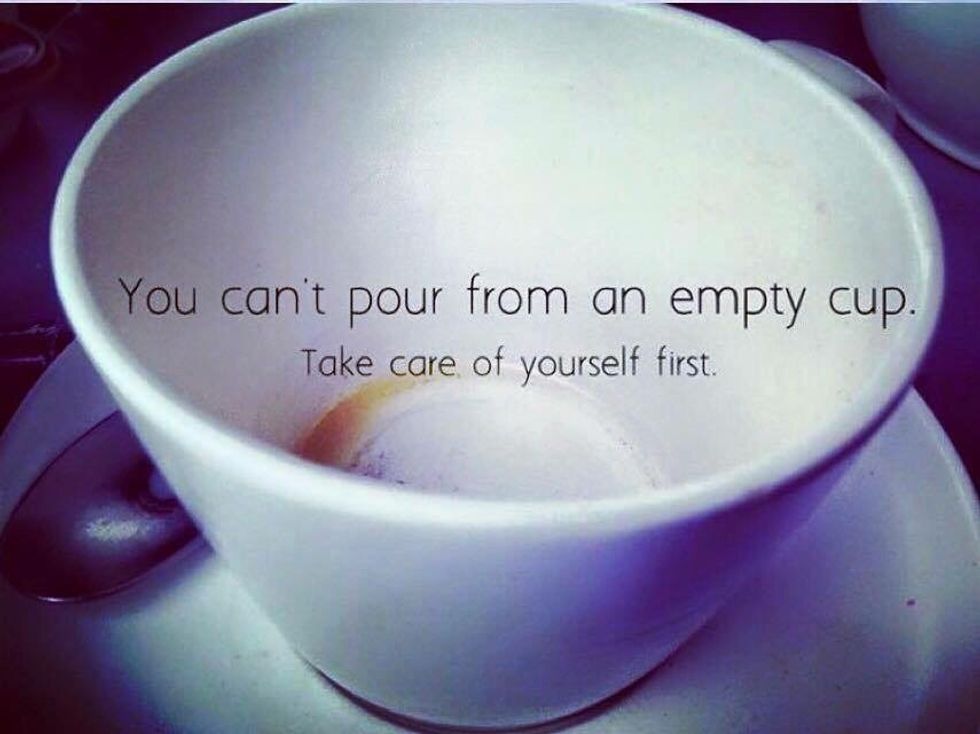


Compassion fatigue is real, and it’s something library workers experience all the time. When you spend your days helping others, especially those facing hardships, you give a lot of yourself. Over time, that constant emotional output can lead to exhaustion, frustration, and even questioning why you chose to do this work in the first place. I say it all the time: “Did I choose the wrong field?” I do love working in a library, but there are many times that I feel like it’s really overwhelming. So, it’s important to recognize when you’re feeling depleted, because ignoring it doesn’t make it go away.

Importance of Self-Care

I recently heard the saying “You can’t pour from an empty cup.” This saying really resonates with me and sounds all too true. It’s easy to see how library workers become overloaded and overstressed. I see it all too often in library-related email threads; so many library workers are looking to leave the field entirely, seeking roles that offer better balance and support. We don’t have to leave the library field entirely to do this. There are some ways we can practice self-care to get that better balance we’re looking for. Some of the things that can help are practicing mindfulness and setting clear boundaries. I’ve experienced this firsthand, and believe me, I wish I could go back in time and set more boundaries, but I can only go forward now, and the boundaries are up! Another big one is practicing saying no instead of always instinctively saying yes. I know this one is hard, especially for someone who wants to please everyone. In the long run, one of the best ways you can practice self-care and set those boundaries is practice saying no. I know it can be hard to say no, but you've got to at least try to say no sometimes.

Another important thing I’ve learned along the way is that a daily self-care routine helps you recharge, stay balanced, and manage stress more effectively. If you can prioritize even a few small self-care habits each day, it can make a big difference in your mental, emotional, and physical well-being, or from a holistic perspective, mind, body, & spirit. Some simple self-care activities I’ve tried to incorporate into my day are journaling my thoughts, going for walks outside, and engaging in a hobby that I love. Another important one is taking time to hydrate and nourish your body. The key here is consistency. Remember that small, intentional acts of self-care add up over time and help you to be healthier, happier, and more resilient.


Navigating the Challenges & Finding Balance


Despite the hard days, many of us stay in this field because we believe in what libraries stand for and we love working with our patrons and our communities. We know the difference libraries can make in people’s lives, and that’s what keeps many of us going. So, here’s what I think will help us to continue doing this work in a way that’s sustainable. We have to take care of ourselves; actually, this is a must! This means setting boundaries, knowing when to step back and say no, and try this one out too, let’s lean on our coworkers and our support systems when we need to. We’ll talk about support systems later in unit four. Here’s another one I fit in quite often—take time off when you need it. This is practicing self-care even if it’s just one day or a half day. This time off is essential in order to refresh and recharge, especially if you are feeling overwhelmed.

Acknowledging Library Work

We all know that library work is important and very meaningful, but we also know that it can be emotionally draining and demanding. Here’s what we can do. We can acknowledge that there are hard parts to library work, but that doesn’t mean that we don’t love the library. We still do. It just means that we need to be honest about the demands and know what we need to do to take care of ourselves.

I’d like to share something that has always been helpful for me. It's talking about my library experiences with other library workers and trusted family members. Whether it's wild stories that happen in the library or sweet stories about helping patrons find books, or even difficulties with other workers or upper management, it really helps to share your experiences. Many times I have felt my passion for libraries falter when something unheard of happens at my library. After talking about it, I feel a lot better, and my passion for my work can be reignited, but sometimes it takes time.

Taking time for yourself and practicing self-care is not selfish. The main key point is that we have to remember that self-care is a necessary element that we need in our lives to thrive.

The more we talk about the challenges of library work, the more we can support each other. One of my goals is to bring library workers together to create a self-care revolution where we all support each other. We have to remember that we are not alone in this work, and we don’t have to navigate it alone or in isolation either. Together we are stronger. By coming together and sharing our experiences and prioritizing our self-care, we can become stronger and more resilient. Send me a message if you're interested in chatting 💛

We're in this together,

the Compassionate Librarian


All images used in this section are licensed through iStock by Getty Images

Friday, July 25, 2025

Mercury in Retrograde: When the Stars Mess With Your Library Chi

 Today, Mercury is in retrograde and it came for my library chi… and my keyboard.

Picture this: my laptop suddenly flips into full-on CAPS LOCK, I couldn’t scroll, completely frozen, and then when I click to unlock caps—everything starts coming out in lowercase. Opposite world.

If that isn’t a metaphor for how Mercury in retrograde feels in a library, I don’t know what is. And really? Do we need this cosmic chaos right in the middle of Summer Reading? Absolutely not!


Miscommunication Central

Retrograde is famous for messing with communication, and you can feel it everywhere:

  • “You never told me about the due date!”

  • “Wait—you thought I was covering storytime?”

  • 17 people show up for a meeting room no one actually reserved.

  • You've got 50 piles of phone messages and no one is emailing you. 


Tech Gremlins Everywhere

When Mercury is spinning backward, it’s like the library’s chi gets knocked off balance. Suddenly:

  • The catalog freezes at the exact moment the line is longest.

  • Self-check machines decide they’ve had enough of humanity.

  • The Wi-Fi has gone on a vacation.


Patience (and Humor) Saves the Day

The truth is, Mercury retrograde is basically the universe telling us to slow down, double-check, and breathe. It’s like a cosmic post-it note that says:

“Your chi is a bit wobbly. Re-center.”

Sometimes, the only way through is with an eye roll and a well-timed snack.


How to Keep Your Library Chi in Balance

  • Confirm program details twice: especially dates during summer reading.

  • Keep paper backups for anything you truly need for example event guest lists.

  • Assume tech will betray you and plan accordingly, and it will you know it.

  • Laugh. A lot. Preferably with people who also know what it’s like to fight with a printer (yes we are kindred souls!).


Mercury will be in retrograde until mid August. Until then, if your library chi feels completely out of whack, remember: sometimes the fault really is in our stars.

Be gentle with yourself during these retrograde weeks. Add a little extra self-care to your day—take five minutes to breathe, play your favorite song on repeat, and keep a water bottle nearby. A little kindness (to yourself and others) goes a long way when the universe is doing its cosmic spin cycle.

Stay aligned if you can,

the Compassionate Librarian


A fun video that gives an explanation of Mercury in Retrograde and what to do and not to do.


Monday, June 9, 2025

The Heat is On: Tackling Summer Overload in the Library World (Powered by Overthinking and Exhaustion)


There are mornings when I wake up with a thousand ideas. By the time I hit the library, I’ve planned three programs in my head, solved two staffing challenges, rewritten our onboarding guide (mentally), and probably designed a new logo in Canva while waiting for my coffee to brew and humming a song I made up about the library that goes to the tune of We Built This City. It's a crazy world and I'm just living in it.


The Big-Thinker Trap

I love ideas. I love solving things. I love making the library a magical, engaging space. I want it to feel like something is always happening, especially for kids and families. The one thing I keep forgetting is that somewhere between my vision and actual reality is this little thing called capacity.

Sometimes I look at my calendar and think, "Who scheduled all this?!" Then I remember: oh yeah. It was me.

Summer Reading Energy: Maximum Overdrive

Right now, We're all living in it. It’s June. It’s Summer Reading. At my library we've got Summer Lunch too, and I want our library to be the place to be. So what did I do? I packed our calendar like a suitcase for a month-long trip with only a carry-on. There are crafts, activities, guests, giveaways, and chaos. Beautiful, joyful chaos.

Here’s what people outside of libraries don’t always realize:
If the holidays are retail’s busiest season, summer is the Library's busiest time of the year.
The kids are out of school. Caregivers need support. The community turns to us for free programs, safe spaces, and meaningful engagement. We show up and we show up BIG.

And also? We get exhausted.

Here’s the difference this year: This year I reach out to staff and I asked for help and we created a Summer Reading/Summer Lunch Team! I let go of the idea that I had to run every program, troubleshoot every detail, and personally glitter-glue the path to the end of the summer. What about our Summer Team? They’re showing up! Doing it up right. They’re helping make the magic real and I love that so much!


"You’re Doing Too Much, Bro"

Have you heard this Gen Z phrase? You're Doing Too Much, Bro. It’s said with humor or a bit of snark, but it really hits home when you think about it.

When your to-do list is a scroll, your inbox is overflowing, and you’re mentally writing meeting agendas at red lights, it’s time to pause.

It doesn’t mean you care any less. It means your caring has overflowed its container. At this point, it's time to remind yourself it’s okay to scale back. It’s okay to rest. Remember you can't pour from an empty cup.

What I’m Learning (Still)

I don’t have to prove my worth by how much I do (I'm just fine)


Delegation is a strategy (The more the merrier!)


Saying “no” sometimes is like saying “yes” to your own self-care (A little no never hurt)


The library will survive if I leave a few white spaces on the calendar (Cringing over here, LOL!)


The best kind of magic happens when you let others co-create it (This is so true!)


Final Thoughts

If you’re a big thinker with a big heart, just know this: You’re enough, even when you’re not knocking yourself over with exhaustion. You don’t have to overdo it to make a beautiful and meaningful summer at the library.

My motto is Self-care isn’t Selfish. Especially in library work. It’s how we stay strong, creative, and resilient. If you’re feeling the burnout creep in, or just want practical strategies for maintaining balance in your library life, I invite you to check out my course on ALA eLearning: It's free to all ALA members.

Self-Care for Library Workers

It’s full of real talk, helpful tools, and reminders that you matter too.

Remember to Breathe... Just breathe. Pass the glue stick. It'll all be over soon. 

If no one else says it today I will: You’re doing great. But also…you might just be doing too much.

Monday, April 14, 2025

Welcome to The Consciousness Archives


                    The Consciousness Archives:

A cosmic exploration of spirit, storytelling, and the soul of librarianship

I am putting this new blog series out into the universe. The focus is somewhere between the nature of consciousness and the chaos of the returns desk, between ancient myths and modern burnout, between sacred scrolls and staff meetings. That's a lot of wide open space to cover and a lot of cosmic energy to summon, and yet that's exactly where this new blog series belongs. 

Let's dig deep into the depths of our library souls and focus on:

Why we do what we do
Who we are beneath the badge, the title, and the book bag

Libraries are in a state of emergency
Emotionally - Spiritually - Existentially

We are underfunded, undervalued, and overextended. Or as George Washington in Hamilton would say, "We are outgunned, outmanned, outnumbered, and outplanned."

Here's an idea: Let's weaponize our compassion. Let's set our energy together, collectively.
Think about this too. 

Why do we stay? 

We do we keep showing up?


This is why: We fan the flames of truth and information, we share the stories, and we are the protectors of the library.


My plan for this blog is big. I want it to be a space to remember what’s been lost, and to never doubt that there is still so much hope and possibility for libraries still. 

What this series is about:

  • A reflective, sometimes playful, always meaningful exploration of the deeper dimensions of library work.

  • A fusion of myth, metaphor, philosophy, psychology, and good library spirit.

  • A personal archive of insights drawn from my experiences as a library manager, educator, mentor, and survivor of more than one epic workplace plot twist.

What It Is Not About:

It’s not about fixing the system it’s about reclaiming what's been hollowed out within it.


What You’ll Find In The Consciousness Archives:

  • Musings about the shadow side of librarianship.

  • Reflections on burnout, resilience, leadership, and many stories.

  • Thoughtful experiments 

  • Invitations to explore your own personal myth or bag o’ burdens (yes, you’re allowed to unpack it here).

  • Consciousness-raising activities and journal prompts to reconnect with your inner library spirit.

This is the series I wish had existed when I was burning out in silence.
This is for the library worker crying in the breakroom.
This is for the library student unsure if they made the right choice.
This is for the library staff that want to change careers

This is for you if you're reading this. 
Because maybe, just maybe, it's not about archiving files and books right now.
Maybe it's about archiving the human experience.

Let’s get cosmic
Let’s get conscious
Let’s remember who we are

The Consciousness Archives begins now.

Stay strong,

the Compassionate Librarian

Sunday, March 9, 2025

The Future of Libraries: Breaking Away From Our Restraints


Libraries are evolving faster than ever, adapting to shifting community needs, advancing technology, and an ever-expanding role as busy community hubs. While this transformation is exciting, it also places a large amount of pressure on library workers. Burnout, compassion fatigue, and unrealistic expectations often leave staff feeling overwhelmed. With all of this in mind, what libraries really need to be working toward is a future that fosters a culture of self-compassion and self-care. I believe this shift is exactly what we need to in order to rise up and thrive. I my mind I’ve been calling it a self-care revolution. I myself don’t even know how much longer I can continue to work in a library. I'm feeling so chained down and restricted lately. I’ve spent years balancing heavy workloads, constant changes, and the emotional weight of serving my community while trying not to burn out. At times, it feels like I’m on an island all alone and I’m trying to put out fires and basically just survive each day. I’m sure there are others that feel this way too, in fact I know there are. If we don’t break away from this current culture of unsupportive restriction and move toward a more encouraging and inspiring one we will continue to lose passionate and dedicated staff because of the lack of support and burnout.

Why Self-Compassion Matters in Libraries

Many library workers dedicate themselves to serving the public, often placing the needs of patrons above their own. However, chronic stress and emotional exhaustion can lead to burnout. Taking time to care for yourself is not indulgent, it is something that we all must do. This allows us to acknowledge our own struggles, set realistic boundaries, and recover from the emotional demands of our work in libraries.

A workplace that fosters self-compassion:

  • Encourages staff to take breaks without guilt.

  • Normalizes the emotional toll of public service.

  • Creates an environment where workers feel valued and supported.

Without self-compassion, library workers are at risk of emotional depletion. Prioritizing self-compassion can lead to better job satisfaction, stronger team dynamics, and a healthier work environment overall.

Advocating for Yourself in the Library Workplace

Many library workers struggle with self-advocacy, whether due to hierarchical structures, fear of being seen as a complainer or simply being too overextended to ask for help. However, advocating for yourself is key to long-term sustainability in this field.

Ways to advocate for yourself in the library workplace include:

  • Setting Boundaries – It’s okay to say no to extra tasks beyond your role or capacity. Overextending yourself can be harmful to your mental and/or physical health and it doesn’t serve you or your community if you are overloaded or overwhelmed.

  • Communicate Your Needs Clearly – If workload expectations are unrealistic, speak up. Ask for more support, ask for help adjusting responsibilities or modifying deadlines.

  • Prioritizing Rest and Recovery – Requesting time off or scheduling regular breaks isn’t a luxury—it’s a way to get more rest and better balance in our lives.

  • Seeking Professional Development – Advocate for training and resources that help you to expand your skills and grow, which will enhance your job skills for any future work.

It’s frustrating that library workers are constantly expected to do more and more without any support. We need to advocate for ourselves and prioritizes our wellbeing, we actually have to stand up for ourselves and make our own self-care a priority.

Creating a Supportive Network in the Library

Library work can sometimes feel isolating, especially when dealing with difficult patron interactions or heavy workloads. Building a strong support network helps foster resilience and emotional well-being.

  • Find Your People – Identify colleagues who share your values and commitment to mutual support. Having trusted co-workers to vent to or collaborate with can make challenges more manageable.

  • Encourage Peer Mentorship – Formal or informal mentoring relationships can help staff navigate challenges, gain perspective, and develop new coping strategies.

  • Practice Workplace Gratitude – A culture of appreciation goes a long way in making library work feel fulfilling rather than draining. Recognizing each other’s contributions can help boost morale.

  • Push for Institutional Support – Advocate for leadership to implement mental health initiatives, structured debriefing sessions after difficult incidents, and employee wellness programs.

Realistic Expectations for Self-Care in Libraries

The idea of self-care is often reduced to spa days or bubble baths, but in reality, self-care is about creating realistic and sustainable habits that fit into your daily life. Library workers need self-care strategies that are both practical and workplace-friendly.

Here are some realistic self-care practices that can be incorporated into the library setting:

  • Micro-Breaks – Even 5-minute breathers between interactions can make a difference.

  • Mindful Transitions – Before jumping from one task to the next, take a moment to reset and refocus.

  • Workspace Comfort – Adjusting your desk setup, adding a small plant, or listening to calming music (when possible) can help create a more supportive environment.

  • Knowing When to Step Away – If an interaction with a patron is escalating, knowing when to involve a supervisor or security is a form of professional self-care.

  • After-Work Decompression – Establishing an end-of-day ritual (journaling, walking, listening to music) can help transition out of “work mode” and into rest.

The Future of Libraries Needs to be a Future of Self-Care

We know that libraries are essential, but so are the people who work in them. A sustainable future for libraries requires not just innovation in services, but a commitment to staff wellbeing. By fostering self-compassion, self-advocacy, supportive networks, and realistic self-care practices, we can build resilient workplaces where library workers can thrive, not just survive.

I really love working in a library. It has the best of both worlds, books, programming, engaging with the public, and working with an awesome library crew. I think we all need to realize that the future of libraries isn’t just about what we offer patrons. It’s about taking a deep look into the care of the people who are working in the libraries.

💬 How do you practice self-compassion in your library work? I’d love to  in the comments!

All the best,

the Compassionate LIbrarian


Sunday, March 2, 2025

The Reality of Library Work: Beyond the Myths

The Reality of Library Work 

by Kimberli Buckley 

March 2, 2025


Beyond the Myths 

Libraries are often seen y the public as quiet, stress-free environments where library staff spend their days reading books and enjoying the silence. While that’s a comforting image, the reality of library work is far more complex. I’d love to explore the common misconceptions we hear everyday, the reality of the emotional toll of public service work, and the deeper truths behind library work. 

Common Misconceptions About Library Work 

Many people assume that working in a library is easy and low-pressure, but those within the field know better. Here are some of the most common misconceptions, along with real-life examples: 

1. Libraries Are Always Quiet – While some libraries do have quiet spaces, many are now bustling community hubs. In an urban public library, staff often manage noise levels from group study sessions, children’s programs, and community events while still providing a welcoming space for all. 

2. You Get to Read Books All Day – Far from it! Library workers juggle tasks such as managing digital collections, assisting patrons with job applications, and teaching computer literacy. For example, in a library, library staff may spend the morning troubleshooting technology issues for seniors and the afternoon coordinate a literacy program for youth. 

3. Libraries Are No Longer Needed  – Really? Despite the rise of digital resources, libraries remain essential. They provide free internet access, free access to books and materials, literacy programs, research assistance, and a safe space for vulnerable community members. For example, many libraries act as a lifeline for residents who lack Internet access at home, have no printers or scanners, and can also give assistance navigating the web, which can help with job searching. Some libraries offer digital eBook collections, where items can be checked out and read on their tablets or phones. Library catalogs are mostly all online now, gone are the old card catalogs. With that in mind, libraries just seem to continue to keep up in this ever-changing  digital world! 

4. Library Work Is Low-Stress – Not so much. Dealing with the public, managing budgets, adapting to changing technology, and addressing social issues like homelessness and mental health crises all contribute to significant workplace stress. A library worker in a busy city branch might find themselves de-escalating a conflict between two patrons while simultaneously troubleshooting a system outage. Many libraries now have to have security on staff to manage the difficult or more challenging patrons.  

The Emotional and Psychological Toll of Working with the Public 

Library workers serve diverse communities, which can be rewarding but also emotionally challenging. Public service roles often involve: 

● Compassion Fatigue – Constantly helping patrons in need, particularly those facing homelessness, addiction, or other crises, can take an emotional toll. Library staff might begin to feel drained after spending each day helping unhoused patrons with their needs, such as finding housing, staying out of the harsh outdoor elements, food, clothing, medical attention, and much more. Unfortunately, the compassion that we feel for our unhoused patrons can take a toll on us and drain our internal batteries down. That’s why taking time to provide self-care for yourself is a must for library workers that frequently work with vulnerable populations.  

● Burnout – Balancing administrative tasks, programming, and frontline service while maintaining emotional energy can lead to exhaustion. Many library workers, for example, may find themselves overwhelmed by increasing demands of tasks to do with low staffing or hiring freezes and with that also comes very limited funding and resources. 

● Conflict Resolution – Library workers often de-escalate conflicts, handle difficult patrons, and navigate emotionally charged situations, adding to workplace stress. An academic librarian might frequently mediate between students and faculty over resource disputes. 

● Mental Capacity – The pressure of meeting community needs with often-limited resources creates an ongoing mental burden. Working solo  in a smaller library, you may need to act as a one-person band, handling the programming, reference, computer help, and clerical work all at one time. 

Discussion of the Common Myths of Library Work 

Beyond individual misconceptions, there are broader myths about the profession that shape public perception: 

● Libraries Are Only About Books – In reality, libraries are community centers offering job assistance, digital literacy training, and mental health resources. Some library staff may spend more time programming and doing outreach. It’s not all about books as some may think. 

● Library Jobs Are Easy To Get – Professional library work sometimes requires specialized degrees such as a Master’s in Library Science, or Library Tech Certificate. Sometime they require experience in skills  from research expertise to program development to crisis intervention.  

● Library Workers Don’t Face Workplace Challenges – This is entirely untrue. Sometimes, the job comes with security concerns, staff shortages, patron complaints, book challenges, and evolving public service demands that require adaptability and resilience. Libraries in more socioeconomically disadvantaged communities struggle with funding, while other libraries in different states might have to navigate political challenges. 

Tips for Handling Overbearing Misconceptions 

For library workers, addressing misconceptions from the public is an ongoing challenge. Here are some ways to handle it effectively: 

1. Educate with Patience – Instead of becoming frustrated, use misconceptions as teachable moments. If someone insists that libraries are no longer relevant, share examples of how they provide essential digital literacy and career development services. 

2. Set Boundaries – Some patrons may expect librarians to be personal tech support, therapists, or social workers. Gently redirect them to appropriate resources while reinforcing the library’s role. 

3. Share Your Personal Experiences – Sometimes, sharing a brief story about a challenging day at the library can help others understand the complexity of the work. 

4. Advocate for the Profession – Public perception shifts when library workers confidently share their expertise and value. Engaging in advocacy efforts through social media or professional organizations can help shift the narrative. 

Final Thoughts 

For many, library work is deeply meaningful and we know from hearing about or experiencing this ourselves. However, there are situations that arise that can be emotionally and mentally demanding. One of the most important things to do is to acknowledge that we are going to hear these myths and misconceptions, but we really need to not take it to heart. Acknowledging these challenges doesn’t diminish our passion that we bring to this field, it actually strengthens our ability to advocate for our own well-being. Someone mentioned to me recently, why aren’t there more television shows or movies about what it’s like to work in a library? It is true, we don’t see that very often. It could possibly be due to all of these myths that people still think we are just sitting around reading books all day at the library and that wouldn't make for a very good show. In contrast to this idea, the movie The Public by Emilio Esteves showcases a lot of what it's like to work at a library. There are a lot of Hollywood stars and some over the top situations, but many of these have occurred at libraries and will continue to happen. 

By debunking the myths or misconceptions, we can foster a greater understanding of the realities of library work while highlighting the incredible impact libraries have on their communities. When we stand up and speak out about the value of libraries, we can ensure that library workers are recognized for their essential contributions and help create a future where we can thrive.

Saturday, February 15, 2025

Pause, Breathe, & Take Time For Yourself


If You’re Reading This, You Might Just Be in Need of Some Self-Care

If you find yourself here at the Compassionate Librarian blog you might be in need of some self-care. The first thing you can do is pause for a moment and take a deep breath. Maybe you’ve been running on empty, giving your all at work, or just feeling stretched too thin. It happens to the best of us. The good news is you can take some time for yourself to practice self-care.

Some days, it’s easy to juggle everything with a smile. But other days? Not so much. Today, for example, I’m not feeling well, and managing my own energy is hard enough—let alone handling complaints, endless questions, and unexpected issues at the library. On days like this, it’s easy to put yourself last because everything feels urgent. But that’s exactly when self-care becomes most important.

What does self-care look like on tough days?
It doesn’t have to be big or elaborate. Sometimes it’s about doing what you can—even if it’s small:

  • Take a break. Step away for five minutes, even if it’s just to breathe or drink water.
  • Lower the bar. Give yourself permission to do the essentials and let go of perfection.
  • Create a small comfort ritual. Have a cup of tea, put on music that calms you, or take a short walk around the building.
  • Ask for help. Lean on your team when you need it. We’re better when we support each other.
  • Remind yourself: This moment will pass. Hard days come and go. Be kind to yourself in the middle of it all.

The reality is, working with the public service can be really demanding. We show up for others, often when we’re not at our best. But self-care is what makes it sustainable. It’s not selfish—it’s survival.

So, if you’re reading this, take a moment for yourself today if you can, if not please try for tomorrow. You’ve earned it. And if all you do is breathe deeply and remind yourself you’re doing your best, that’s enough.


Sending super big hugs!

the Compassionate Librarian

Friday, February 14, 2025

How Helping Others Can Fill Your Cup

When Helping Others is Part of Your Self-Care

For some of us, the act of helping others—whether it’s assisting a patron, checking in on a friend, or simply offering kindness to a stranger—fills our emotional well. We find strength and healing in connection, and giving our time or energy to support others makes us feel good. But how do we balance this when life gets overwhelming?


Why Helping Others Feels So Good

There’s a reason helping others is powerful. Studies show it releases endorphins, reduces stress, and increases feelings of connection. For those of us in service professions—like librarians—it can be both a calling and a coping mechanism. When we help, we feel more grounded, useful, and in tune with our community.

I’ve experienced firsthand that some of my most meaningful moments have come from lending a hand to someone in need, whether it was offering support to a patron experiencing homelessness, listening to a colleague who just needed to vent, or surprising a friend with a small act of kindness. Every time I help someone, I walk away feeling a little lighter and more connected to something bigger than myself.

Balance is Key

For many people, helping others gives you a happy boost, which also supports an overall feeling of well-being. With that in mind, it can sometimes be easy to lose sight of your own needs. If your self-care only involves giving to others, you might eventually feel drained or resentful. I’ve learned (sometimes the hard way!) that it’s okay to set boundaries and say no when you need to recharge.

Here are a few tips I’ve found to Be helpful:

  1. Set boundaries: Be honest with yourself about how much you can give without depleting your own energy.
  2. Find joy in small acts: Not every act of kindness needs to be big. Sometimes holding the door for someone or giving a compliment is enough.
  3. Practice reciprocal care: Surround yourself with people who can also support you when you need it.
  4. Check in with yourself: Ask, “Am I helping because it feels good or because I feel I have to?”

Final Thoughts

If you are like me and helping others is part of your self-care, you should embrace it! Just remember that it’s okay to prioritize your own needs, too. Self-care doesn’t mean you have to stop being compassionate; it means making sure you have the energy to keep giving in meaningful, healthy ways.


Happy Self-Care,

the Compassionate Librarian

Tuesday, January 28, 2025

Mental Health Resources for Self-Care

Libraries are wonderful and you're surrounded by books, which is amazing, but if you are library staff or volunteer at a library you may find it can sometimes be emotionally and/or mentally draining. Library staff juggle a variety of roles. We help patrons in need, manage community challenges, and balance the growing demands of our tasks. With such a wide range of responsibilities, it’s easy to feel stretched thin. That’s why taking care of your mental health is so important.

Today, I want to share a variety of tips and resources that can help. Whether you’re dealing with compassion fatigue, workplace stress, overwhelmed with school assignments, or just need a moment to breathe, there’s something here to help with your well-being.

Tips for Protecting Your Mental Health

  1. Set Boundaries

    • Know your limits when working with challenging patrons or overwhelming workloads. It’s okay to say no or ask for help when you need it.
    • Establish clear times for breaks, even if it’s just stepping away for five minutes.
  2. Practice Mindfulness

    • Take a few moments during your day to pause and breathe. Apps like Calm or Insight Timer offer guided meditations perfect for quick mental resets.
    • Practice grounding techniques, like focusing on five things you can see, four you can touch, three you can hear, two you can smell, and one you can taste.
  3. Lean on Peer Support

    • Connect with coworkers to share experiences, frustrations, and strategies. Peer support groups can make a big difference in feeling less isolated.
    • Celebrate small wins together, like successfully managing a difficult situation or hosting a successful program.
  4. Find a Hobby or Start a Creative Project

    • Engaging in a hobby or creative activity can work wonders for your mental health. Whether it’s painting, gardening, writing, or learning a new skill, doing something you enjoy can help you unwind and bring joy to your day.
    • If you’re not sure where to start, think about something you’ve always wanted to try. A new creative project might be just what you need to recharge.
  5. Spend Time with Friends or Loved Ones

    • Social connection is a powerful way to relieve stress and improve mental health. Plan an outing with friends or family—a hike in nature, lunch at a favorite spot, or a visit to a tea café for a cozy teatime treat.
    • Remember the phrase “Treat Yo’ Self.” Whether it’s splurging on a fancy dessert or booking that much-needed massage, doing something fun with loved ones can lift your spirits and help you feel supported.
  6. Stay Active

    • Movement can do wonders for your mental health. Take a walk during lunch or try a quick stretch behind the desk.
    • Incorporate physical activity into your routine to help manage stress and improve focus.


Mental Health Resources

  • Crisis Text Line: Text HOME to 741741 to connect with a trained crisis counselor
  • Library Worker Trauma Support Website - https://urbanlibrariansunite.org/ults
  • National Suicide Prevention Lifeline: Call or text 988 for free, confidential support 24/7
  • Hotlines and Support Services

    • NAMI HelpLine:

      • Call 800-950-NAMI (6264)
      • Text "HelpLine" to 62640
      • Chat with a specialist on NAMI.org
    • Veterans Crisis Line:

    • Disaster Distress Helpline:

      • Call 1-800-985-5990
      • Text "TalkWithUs" to 66746

    Apps

    • Calm – Offers guided meditations, sleep stories, and relaxation tools.
    • Headspace – Great for learning meditation and mindfulness techniques.
    • Sanvello – Focuses on stress and anxiety management with tools and journaling features.


    Books to Explore

    • Burnout: The Secret to Unlocking the Stress Cycle by Emily Nagoski and Amelia Nagoski
    • The Cure for Burnout by Emily Ballesteros
    • The Self-Care Solution: A Year of Becoming Happier, Healthier, and Fitter by Jennifer Ashton
    • Trauma Stewardship: An Everyday Guide to Caring for Self While Caring for Others by Laura van Dernoot Lipsky
    • Self-care for People With ADHD: 100+ Ways to Recharge, De-stress, and Prioritize You! by Sasha Hamdani
    • Real Self-Care: A Transformative Program for Redefining Wellness (Crystals, Cleanses, and Bubble Baths Not Included) by Pooja Lakshmin
    • Find Your Unicorn Space: Reclaim Your Creative Life in a Too-Busy World by Eve Rodsky


    Creating a Library Culture of Mental Health Awareness

    Beyond personal self-care, it’s important for library leadership to foster an environment where mental health is prioritized. Some ideas include:

    • Offering mental health days for staff.
    • Hosting workshops on managing stress and compassion fatigue.
    • Creating quiet spaces in the library where staff can decompress.
    • Partnering with local mental health organizations to provide additional resources.

    Remember You Are Not Alone

    If you’re feeling overwhelmed, remember that you’re not alone. There are tools, resources, and people who care about your well-being. Take time to check in with yourself, lean on your support system, and explore the resources that work best for you.

    If you ever feel like you’re in crisis or may harm yourself, please seek professional help immediately. There is strength in asking for help, and support is just a call or text away.


    With care and support,

    the Compassionate Librarian

    Monday, January 20, 2025

    The Benefits of Taking Your Lunch Break


    In the fast-paced world of library work, it can be all too easy to skip your lunch break or spend it glued to your desk. There’s always another patron to help, a program to plan, or emails to answer. But here’s the truth: skipping your break doesn’t make you more productive—it makes you more exhausted. I've skipped my lunch break many times only to find myself feeling completely worn out and unable to focus by late afternoon. It is definitely not worth skipping. Taking your lunch break is a matter of self-care and a big necessity. We need a real, intentional break in the middle of our day which can help us reset, recharge, and refocus, making the rest of the day more manageable and enjoyable. 


    Let’s explore why lunch breaks matter and how you can make the most of them.

    Why Your Lunch Break Matters

    1. Boosts Your Productivity: Stepping away from work, even for 30 minutes, helps your brain rest and recharge, making you more effective when you return.
    2. Reduces Stress: Taking time for yourself, especially if you can step outside or do something enjoyable, lowers stress levels and improves overall mood.
    3. Supports Physical Health: Eating mindfully and giving your body time to relax during lunch can improve digestion and prevent burnout.


    How to Reclaim Your Lunch Break

    Here are some simple strategies to ensure your lunch break becomes a moment of restoration, not just another item on your to-do list:

    1. Step Outside

    • Spending even a few minutes outdoors can work wonders. Fresh air, sunlight, and a change of scenery can help you feel more grounded and refreshed.
    • If your library is in a busy area, find a nearby park, or even take a quick stroll around the building.

    2. Eat Mindfully

    • Instead of rushing through your meal or multitasking, take the time to enjoy your food.
    • Put away screens, savor each bite, and focus on how your meal tastes and feels. Mindful eating not only enhances your lunch experience but also aids digestion and reduces stress.

    3. Journal or Reflect

    • Use part of your lunch break to jot down your thoughts, reflect on your day so far, or set intentions for the rest of it.
    • A small notebook or a journaling app can be a great companion for clearing your mind and boosting creativity.

    4. Engage in a Relaxing Activity

    • Listen to your favorite music or podcast, read a few pages of a book, or do a quick meditation.
    • Activities like these can help you recharge without feeling rushed or overwhelmed.

    5. Socialize (only if it’s energizing for you)

    • If you enjoy connecting with coworkers, invite a colleague to join you for lunch or a short walk. Sharing a break can foster camaraderie and make your day feel lighter.

    6. Protect Your Break Time

    • Set boundaries to ensure you actually take your break. Let coworkers know you’re unavailable during lunch, and avoid checking work emails or tasks.


    Making It a Habit

    Reclaiming your lunch break starts with prioritizing it. Add it to your schedule like any other important appointment. Remember, you deserve this time to care for yourself—it’s not a luxury, but a critical part of staying balanced and effective in your work.


    Share Your Lunch Break Wins

    Do you have a favorite way to spend your lunch break? Whether it’s a mindful walk, a delicious meal, or a few moments of quiet, I’d love to hear your tips and experiences in the comments!


    With Care & Concern,
    the Compassionate Librarian

    The Library Manager Files - Case of the Clogged Pipes

      The Library Manager Files File #1: The Case of the Clogged Pipes 📁 File #1 Case Name: The Case of the Clogged Pipes Location: Public...