Showing posts with label library walls. Show all posts

Monday, March 2, 2026

You Can’t Pour From an Empty Cup: The Reality of Compassion Fatigue


Understanding Compassion Fatigue
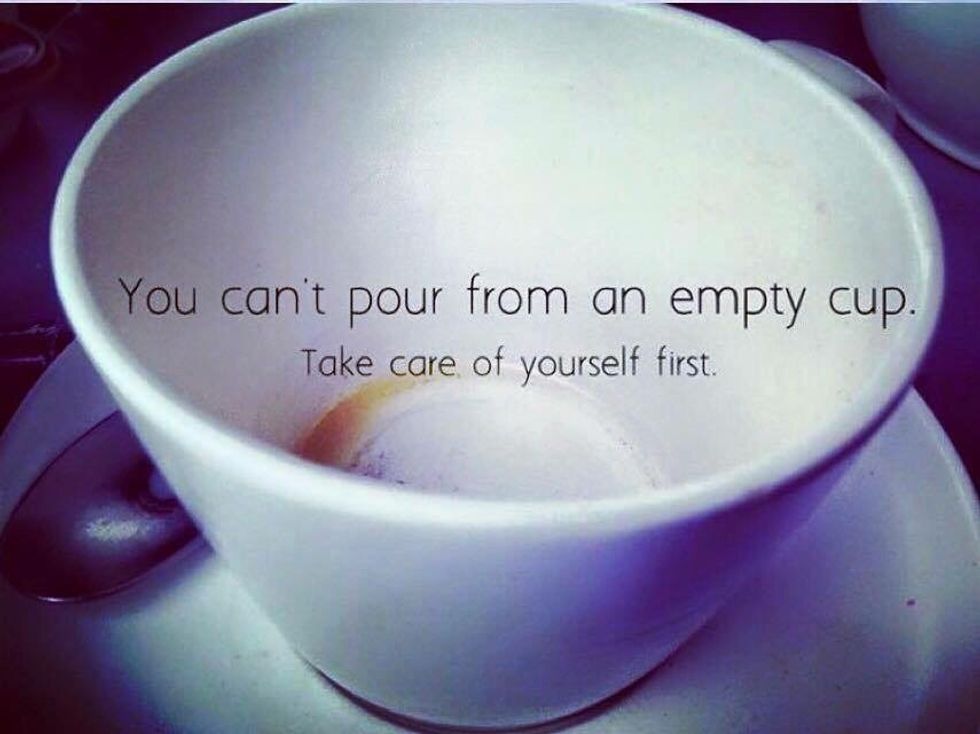


Compassion fatigue is real, and it’s something library workers experience all the time. When you spend your days helping others, especially those facing hardships, you give a lot of yourself. Over time, that constant emotional output can lead to exhaustion, frustration, and even questioning why you chose to do this work in the first place. I say it all the time: “Did I choose the wrong field?” I do love working in a library, but there are many times that I feel like it’s really overwhelming. So, it’s important to recognize when you’re feeling depleted, because ignoring it doesn’t make it go away.

Importance of Self-Care

I recently heard the saying “You can’t pour from an empty cup.” This saying really resonates with me and sounds all too true. It’s easy to see how library workers become overloaded and overstressed. I see it all too often in library-related email threads; so many library workers are looking to leave the field entirely, seeking roles that offer better balance and support. We don’t have to leave the library field entirely to do this. There are some ways we can practice self-care to get that better balance we’re looking for. Some of the things that can help are practicing mindfulness and setting clear boundaries. I’ve experienced this firsthand, and believe me, I wish I could go back in time and set more boundaries, but I can only go forward now, and the boundaries are up! Another big one is practicing saying no instead of always instinctively saying yes. I know this one is hard, especially for someone who wants to please everyone. In the long run, one of the best ways you can practice self-care and set those boundaries is practice saying no. I know it can be hard to say no, but you've got to at least try to say no sometimes.

Another important thing I’ve learned along the way is that a daily self-care routine helps you recharge, stay balanced, and manage stress more effectively. If you can prioritize even a few small self-care habits each day, it can make a big difference in your mental, emotional, and physical well-being, or from a holistic perspective, mind, body, & spirit. Some simple self-care activities I’ve tried to incorporate into my day are journaling my thoughts, going for walks outside, and engaging in a hobby that I love. Another important one is taking time to hydrate and nourish your body. The key here is consistency. Remember that small, intentional acts of self-care add up over time and help you to be healthier, happier, and more resilient.


Navigating the Challenges & Finding Balance


Despite the hard days, many of us stay in this field because we believe in what libraries stand for and we love working with our patrons and our communities. We know the difference libraries can make in people’s lives, and that’s what keeps many of us going. So, here’s what I think will help us to continue doing this work in a way that’s sustainable. We have to take care of ourselves; actually, this is a must! This means setting boundaries, knowing when to step back and say no, and try this one out too, let’s lean on our coworkers and our support systems when we need to. We’ll talk about support systems later in unit four. Here’s another one I fit in quite often—take time off when you need it. This is practicing self-care even if it’s just one day or a half day. This time off is essential in order to refresh and recharge, especially if you are feeling overwhelmed.

Acknowledging Library Work

We all know that library work is important and very meaningful, but we also know that it can be emotionally draining and demanding. Here’s what we can do. We can acknowledge that there are hard parts to library work, but that doesn’t mean that we don’t love the library. We still do. It just means that we need to be honest about the demands and know what we need to do to take care of ourselves.

I’d like to share something that has always been helpful for me. It's talking about my library experiences with other library workers and trusted family members. Whether it's wild stories that happen in the library or sweet stories about helping patrons find books, or even difficulties with other workers or upper management, it really helps to share your experiences. Many times I have felt my passion for libraries falter when something unheard of happens at my library. After talking about it, I feel a lot better, and my passion for my work can be reignited, but sometimes it takes time.

Taking time for yourself and practicing self-care is not selfish. The main key point is that we have to remember that self-care is a necessary element that we need in our lives to thrive.

The more we talk about the challenges of library work, the more we can support each other. One of my goals is to bring library workers together to create a self-care revolution where we all support each other. We have to remember that we are not alone in this work, and we don’t have to navigate it alone or in isolation either. Together we are stronger. By coming together and sharing our experiences and prioritizing our self-care, we can become stronger and more resilient. Send me a message if you're interested in chatting 💛

We're in this together,

the Compassionate Librarian


All images used in this section are licensed through iStock by Getty Images

Tuesday, September 2, 2025

What Library Outreach Means — And Why Equity Must Lead the Way

The New Era of Outreach

Outreach has always been important in library work, but since the pandemic it has taken on an even more critical role. The challenges of COVID-19 exposed inequities that were always there: the digital divide, the lack of access to reliable health information, the isolation of seniors, the struggles of unhoused community members, and the barriers faced by immigrants and refugees.

Libraries stepped up in new ways by offering Wi-Fi in parking lots, creating curbside services, helping people sign up for vaccines, and providing phone check-ins for seniors who couldn’t come in. These weren’t extras. These were and still are essential resources. Outreach has become the heartbeat of library service, and if we are truly committed to equity, we can’t treat it as optional.


What Outreach Really Means

When many people hear the word outreach, they picture taking programs outside the library walls — a storytime in the park, a table at a school fair. And yes, those are important. But outreach goes deeper.

At its core, outreach is about meeting people where they are. It’s about listening to communities, learning what barriers they face, and connecting them with resources that make a difference. It’s not about what we think people should want — it’s about asking, What do you need? How can we help?

Outreach is, at its heart, relationship-building. It’s not transactional. It’s about trust, compassion, and consistency.

Equity Must Be at the Center

Outreach without equity risks overlooking the very people who need us most. If we only plan programs for the people who are already comfortable walking into our buildings, we’re missing entire communities.

Equity-driven outreach asks harder questions:

  • Who is excluded?

  • Who feels invisible?

  • Who can’t access our services — and why?

When we place equity at the center, our focus shifts to vulnerable and underserved groups: unhoused patrons, seniors, LGBTQ+ teens, English language learners, immigrants and refugees, people with disabilities, rural communities, and families living in food deserts and many more vulnerable or invisible community members.

Equity-driven outreach means rethinking not just what we do, but who we design for — and whether our services are reaching those who need them most.

                                         Contra Costa County Library's Rolling Reader


Equity in Action

Examples of equity-driven outreach are everywhere if you know where to look:

  • A seed library or community garden project in a food desert.

  • Partnering with social service agencies to help unhoused patrons apply for housing or access healthcare.

  • Creating bilingual storytimes and programs co-designed with immigrant families.

  • Hosting resource fairs in neighborhoods far from the nearest library branch.

At Concord Library, one of the ways we live this out is by providing outreach at the local warming shelter. During the coldest months of the year, our staff bring library resources, conversation, and connection directly to unhoused patrons who are seeking warmth and safety. It’s not just about handing out books — it’s about showing up, being present, and reminding people that the library sees them, values them, and is part of their support network.

The Role of Relationships and Trust

Equity-driven outreach something we do to engage with our community members that aren't always visible. We have to step outside of the library walls and this work many times requires cultural humility: listening first, respecting lived experiences, and being willing to learn.

It also requires partnerships. Schools, nonprofits, shelters, faith-based groups, advocacy organizations, and healthcare providers are often already serving vulnerable populations. When libraries join forces with them, we amplify our collective impact. Outreach succeeds not through one-off programs, but through relationships, trust, and collaboration.

Shifts in the Profession: Outreach Roles Are Growing

The profession is catching up to this reality. More and more libraries are creating positions like Outreach Librarian, Community Engagement Specialist, and Equity Coordinator. These roles reflect the understanding that outreach isn’t a side project — it’s specialized, intentional work that requires creativity, empathy, and strategy.

For those entering the profession or looking to grow in their careers, these roles signal a shift: libraries are investing in outreach as a core part of what we do, not an optional add-on.


The Bigger Picture: Outreach as Transformation

Outreach is not “one and done.” It’s not a single program or a single season. It’s long-term change work.

When libraries commit to equity-driven outreach, we transform ourselves as much as our communities. We become spaces of belonging. We become places where compassion isn’t just a value on a poster but something people experience in action. We become connectors, advocates, and allies.

Outreach Matters

Outreach has always mattered, but in our post-pandemic world it has become more urgent and more powerful than ever. Libraries that lead with compassion and equity will not only meet needs — they will create lasting transformation.

Because at the end of the day, outreach is not just a program. It’s about connection and meeting people where they are. 

Happy outreach adventures,

the Compassionate Librarian

The Library Manager Files - Case of the Clogged Pipes

  The Library Manager Files File #1: The Case of the Clogged Pipes 📁 File #1 Case Name: The Case of the Clogged Pipes Location: Public...