Showing posts with label compassion fatigue. Show all posts

Monday, March 2, 2026

You Can’t Pour From an Empty Cup: The Reality of Compassion Fatigue


Understanding Compassion Fatigue
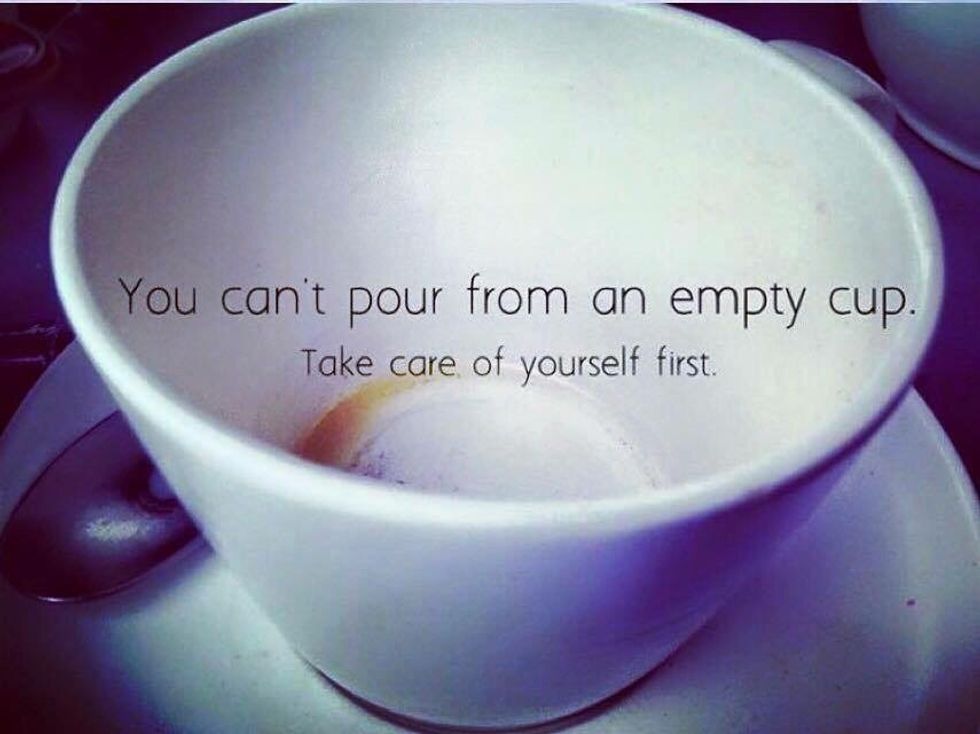


Compassion fatigue is real, and it’s something library workers experience all the time. When you spend your days helping others, especially those facing hardships, you give a lot of yourself. Over time, that constant emotional output can lead to exhaustion, frustration, and even questioning why you chose to do this work in the first place. I say it all the time: “Did I choose the wrong field?” I do love working in a library, but there are many times that I feel like it’s really overwhelming. So, it’s important to recognize when you’re feeling depleted, because ignoring it doesn’t make it go away.

Importance of Self-Care

I recently heard the saying “You can’t pour from an empty cup.” This saying really resonates with me and sounds all too true. It’s easy to see how library workers become overloaded and overstressed. I see it all too often in library-related email threads; so many library workers are looking to leave the field entirely, seeking roles that offer better balance and support. We don’t have to leave the library field entirely to do this. There are some ways we can practice self-care to get that better balance we’re looking for. Some of the things that can help are practicing mindfulness and setting clear boundaries. I’ve experienced this firsthand, and believe me, I wish I could go back in time and set more boundaries, but I can only go forward now, and the boundaries are up! Another big one is practicing saying no instead of always instinctively saying yes. I know this one is hard, especially for someone who wants to please everyone. In the long run, one of the best ways you can practice self-care and set those boundaries is practice saying no. I know it can be hard to say no, but you've got to at least try to say no sometimes.

Another important thing I’ve learned along the way is that a daily self-care routine helps you recharge, stay balanced, and manage stress more effectively. If you can prioritize even a few small self-care habits each day, it can make a big difference in your mental, emotional, and physical well-being, or from a holistic perspective, mind, body, & spirit. Some simple self-care activities I’ve tried to incorporate into my day are journaling my thoughts, going for walks outside, and engaging in a hobby that I love. Another important one is taking time to hydrate and nourish your body. The key here is consistency. Remember that small, intentional acts of self-care add up over time and help you to be healthier, happier, and more resilient.


Navigating the Challenges & Finding Balance


Despite the hard days, many of us stay in this field because we believe in what libraries stand for and we love working with our patrons and our communities. We know the difference libraries can make in people’s lives, and that’s what keeps many of us going. So, here’s what I think will help us to continue doing this work in a way that’s sustainable. We have to take care of ourselves; actually, this is a must! This means setting boundaries, knowing when to step back and say no, and try this one out too, let’s lean on our coworkers and our support systems when we need to. We’ll talk about support systems later in unit four. Here’s another one I fit in quite often—take time off when you need it. This is practicing self-care even if it’s just one day or a half day. This time off is essential in order to refresh and recharge, especially if you are feeling overwhelmed.

Acknowledging Library Work

We all know that library work is important and very meaningful, but we also know that it can be emotionally draining and demanding. Here’s what we can do. We can acknowledge that there are hard parts to library work, but that doesn’t mean that we don’t love the library. We still do. It just means that we need to be honest about the demands and know what we need to do to take care of ourselves.

I’d like to share something that has always been helpful for me. It's talking about my library experiences with other library workers and trusted family members. Whether it's wild stories that happen in the library or sweet stories about helping patrons find books, or even difficulties with other workers or upper management, it really helps to share your experiences. Many times I have felt my passion for libraries falter when something unheard of happens at my library. After talking about it, I feel a lot better, and my passion for my work can be reignited, but sometimes it takes time.

Taking time for yourself and practicing self-care is not selfish. The main key point is that we have to remember that self-care is a necessary element that we need in our lives to thrive.

The more we talk about the challenges of library work, the more we can support each other. One of my goals is to bring library workers together to create a self-care revolution where we all support each other. We have to remember that we are not alone in this work, and we don’t have to navigate it alone or in isolation either. Together we are stronger. By coming together and sharing our experiences and prioritizing our self-care, we can become stronger and more resilient. Send me a message if you're interested in chatting 💛

We're in this together,

the Compassionate Librarian


All images used in this section are licensed through iStock by Getty Images

Sunday, March 9, 2025

The Future of Libraries: Breaking Away From Our Restraints


Libraries are evolving faster than ever, adapting to shifting community needs, advancing technology, and an ever-expanding role as busy community hubs. While this transformation is exciting, it also places a large amount of pressure on library workers. Burnout, compassion fatigue, and unrealistic expectations often leave staff feeling overwhelmed. With all of this in mind, what libraries really need to be working toward is a future that fosters a culture of self-compassion and self-care. I believe this shift is exactly what we need to in order to rise up and thrive. I my mind I’ve been calling it a self-care revolution. I myself don’t even know how much longer I can continue to work in a library. I'm feeling so chained down and restricted lately. I’ve spent years balancing heavy workloads, constant changes, and the emotional weight of serving my community while trying not to burn out. At times, it feels like I’m on an island all alone and I’m trying to put out fires and basically just survive each day. I’m sure there are others that feel this way too, in fact I know there are. If we don’t break away from this current culture of unsupportive restriction and move toward a more encouraging and inspiring one we will continue to lose passionate and dedicated staff because of the lack of support and burnout.

Why Self-Compassion Matters in Libraries

Many library workers dedicate themselves to serving the public, often placing the needs of patrons above their own. However, chronic stress and emotional exhaustion can lead to burnout. Taking time to care for yourself is not indulgent, it is something that we all must do. This allows us to acknowledge our own struggles, set realistic boundaries, and recover from the emotional demands of our work in libraries.

A workplace that fosters self-compassion:

  • Encourages staff to take breaks without guilt.

  • Normalizes the emotional toll of public service.

  • Creates an environment where workers feel valued and supported.

Without self-compassion, library workers are at risk of emotional depletion. Prioritizing self-compassion can lead to better job satisfaction, stronger team dynamics, and a healthier work environment overall.

Advocating for Yourself in the Library Workplace

Many library workers struggle with self-advocacy, whether due to hierarchical structures, fear of being seen as a complainer or simply being too overextended to ask for help. However, advocating for yourself is key to long-term sustainability in this field.

Ways to advocate for yourself in the library workplace include:

  • Setting Boundaries – It’s okay to say no to extra tasks beyond your role or capacity. Overextending yourself can be harmful to your mental and/or physical health and it doesn’t serve you or your community if you are overloaded or overwhelmed.

  • Communicate Your Needs Clearly – If workload expectations are unrealistic, speak up. Ask for more support, ask for help adjusting responsibilities or modifying deadlines.

  • Prioritizing Rest and Recovery – Requesting time off or scheduling regular breaks isn’t a luxury—it’s a way to get more rest and better balance in our lives.

  • Seeking Professional Development – Advocate for training and resources that help you to expand your skills and grow, which will enhance your job skills for any future work.

It’s frustrating that library workers are constantly expected to do more and more without any support. We need to advocate for ourselves and prioritizes our wellbeing, we actually have to stand up for ourselves and make our own self-care a priority.

Creating a Supportive Network in the Library

Library work can sometimes feel isolating, especially when dealing with difficult patron interactions or heavy workloads. Building a strong support network helps foster resilience and emotional well-being.

  • Find Your People – Identify colleagues who share your values and commitment to mutual support. Having trusted co-workers to vent to or collaborate with can make challenges more manageable.

  • Encourage Peer Mentorship – Formal or informal mentoring relationships can help staff navigate challenges, gain perspective, and develop new coping strategies.

  • Practice Workplace Gratitude – A culture of appreciation goes a long way in making library work feel fulfilling rather than draining. Recognizing each other’s contributions can help boost morale.

  • Push for Institutional Support – Advocate for leadership to implement mental health initiatives, structured debriefing sessions after difficult incidents, and employee wellness programs.

Realistic Expectations for Self-Care in Libraries

The idea of self-care is often reduced to spa days or bubble baths, but in reality, self-care is about creating realistic and sustainable habits that fit into your daily life. Library workers need self-care strategies that are both practical and workplace-friendly.

Here are some realistic self-care practices that can be incorporated into the library setting:

  • Micro-Breaks – Even 5-minute breathers between interactions can make a difference.

  • Mindful Transitions – Before jumping from one task to the next, take a moment to reset and refocus.

  • Workspace Comfort – Adjusting your desk setup, adding a small plant, or listening to calming music (when possible) can help create a more supportive environment.

  • Knowing When to Step Away – If an interaction with a patron is escalating, knowing when to involve a supervisor or security is a form of professional self-care.

  • After-Work Decompression – Establishing an end-of-day ritual (journaling, walking, listening to music) can help transition out of “work mode” and into rest.

The Future of Libraries Needs to be a Future of Self-Care

We know that libraries are essential, but so are the people who work in them. A sustainable future for libraries requires not just innovation in services, but a commitment to staff wellbeing. By fostering self-compassion, self-advocacy, supportive networks, and realistic self-care practices, we can build resilient workplaces where library workers can thrive, not just survive.

I really love working in a library. It has the best of both worlds, books, programming, engaging with the public, and working with an awesome library crew. I think we all need to realize that the future of libraries isn’t just about what we offer patrons. It’s about taking a deep look into the care of the people who are working in the libraries.

💬 How do you practice self-compassion in your library work? I’d love to  in the comments!

All the best,

the Compassionate LIbrarian


Saturday, January 18, 2025

Libraries Need to Step Up & Support Their Workers

I work in a public library, and while it’s a job I truly love, I’ve found it can sometimes be incredibly challenging, especially when working with unhoused patrons or those facing difficult circumstances. There have been days when the situations I encounter weigh heavily on me. I have so much compassion for these individuals, but there are times when I feel drained and overwhelmed, trying to navigate them to safety while also feeling responsible for their well-being because they are so vulnerable.

The experiences I have had helping unhoused patrons has made me reflect on what Libraries need to do to be more supportive for the staff who show up every day and pour their hearts into their work. 

Here are some practices that Libraries should provide for their workers. These come from my own experiences and through learning from others in the field:

1. Training for Staff

Professional development and training are essential in library work. Providing staff with training gives them the skills to approach challenging interactions with kindness and understanding. This can include:

  • De-escalation techniques to handle tense or potentially unsafe situations.
  • Trauma-informed care to better support patrons who may be experiencing crises.
  • Active listening skills to truly hear and understand patron needs.
  • Team building skills are very helpful as well. 

When staff feel prepared to manage tough interactions, it not only reduces their stress but also creates a more supportive environment for patrons.

2. Peer Support Groups

Working in a library, especially with vulnerable populations, can take an emotional toll. Peer support groups give staff a space to connect, vent, and share strategies for managing the challenges of the job. These groups:

  • Create a judgment-free zone to discuss workplace stress.
  • Provide validation and encouragement from coworkers who understand the struggles firsthand.
  • Help staff feel less isolated and more supported.

Sometimes, just knowing someone else has been through a similar experience can make all the difference.

3. Clear Policies for Safety and Inclusion

Safety and inclusion go hand in hand. Having clear, consistently enforced policies helps staff feel secure and ensures patrons know what to expect. Some important policies to consider include:

  • A zero-tolerance policy for harassment or violence toward staff or other patrons.
  • Conflict resolution protocols that staff can easily follow in challenging situations.
  • Inclusivity guidelines to ensure all patrons feel welcome, regardless of their background or circumstances.

These policies create a foundation of trust and mutual respect in the library.

4. Design Spaces with Safety & Support in Mind

The physical layout of a library can have a big impact on how safe and welcoming it feels. Some ideas include:

  • Quiet zones where patrons can decompress without distractions.
  • Comfortable staff break areas for much-needed downtime during busy shifts.
  • Universal accessibility to ensure everyone, including those with disabilities, can fully access the library’s resources.
  • Private areas where sensitive conversations or referrals can take place.

Even small changes, like adding soothing colors or natural lighting, can make a space feel more inviting.

5. Foster a Culture of Care

Library support should start from the top down. When leadership prioritizes staff well-being, it trickles down to create a more caring environment for everyone. Some ways to foster this culture include:

  • Acknowledging and celebrating staff achievements.
  • Encouraging breaks and mental health days without guilt.
  • Checking in with staff regularly to see how they’re doing and what support they need.
  • Offering flexibility wherever possible to support work-life balance.

When staff feel cared for, they’re better able to extend that care to patrons.

6. Finding Partners to Help & Support

Libraries don’t have to go it alone. Partnering with local organizations can provide staff and patrons with additional resources and support. Examples include:

  • Hosting workshops on mental health or conflict resolution for staff and patrons.
  • Providing resource guides or referrals for unhoused individuals.
  • Partnering with social workers or mental health professionals for on-site assistance.

These partnerships can strengthen the library’s ability to serve its community while reducing the burden on staff.

7. Prioritize Self-Care for Staff

In the midst of serving our communities, it’s easy for library staff to forget to care for themselves. Yet self-care is essential. It helps us recharge, manage stress, and avoid burnout, especially when navigating the unique challenges of library work. Recognizing this, I am creating a self-care course tailored specifically for library workers. This course will e offered to ALA members as a free resource and will offer practical tools and strategies to help library workers prioritize their well-being while continuing to make a meaningful impact in their communities. 

Here are some ways that Libraries can encourage and support self-care:
  • Offer Dedicated Self-Care Training: Provide courses and workshops focused on stress management, mindfulness, and work-life balance. (I’m currently designing a self-care course tailored specifically for library workers to serve as a resource for their well-being!)
  • Encourage Breaks: Ensure staff feel supported in taking their full breaks without guilt or pressure.
  • Create a Culture of Self-Care: Model self-care at all levels of leadership, so staff know it’s a priority, not an afterthought.
  • Provide Mental Health Resources: Share information about local counselors, helplines, or stress-relief programs.

When staff practice self-care, they’re better equipped to support patrons and foster a positive, compassionate library environment.

Navigating Through Complex Challenges

Working in a library means navigating complex challenges, but it also means having the opportunity to create meaningful change. By focusing on empathy, safety, and support, we can make libraries more compassionate spaces for everyone, both staff and patrons.

What are some ways your library has fostered safety and compassion? I’d love to hear your ideas and experiences if you'd like to share.


With care and compassion,

the Compassionate Librarian


Saturday, January 11, 2025

Realistic Self-Care For Library Life

Let’s face it, working in a library isn’t always the peaceful experience people imagine. Some days test us more than others, especially when we’re juggling multiple tasks and difficult patrons. Back in 2021, my library faced one of the toughest periods after the pandemic. We had a large influx of emotionally challenged patrons and unhoused individuals facing significant difficulties and each day presented new challenges. To make even more compounded we had no support from our community leaders or from our library admin. We felt like we were alone on an island trying to survive. 
What's even harder is that as library staff, we often strive to offer compassion and understanding, but the emotional toll it can take on us is undeniable. I’ll never forget one particularly stressful incident when a patron, overwhelmed by their own frustrations, screamed obscenities at me and called me horrible names. It left me feeling shaken and drained for days. What was worse is that it affected me at home too and I retreated inside myself. It was then that I realized I needed to do something to regroup because  I knew that I wasn't the only one that was feeling overwhelmed at my library and other staff were finding it difficult to manage stressful situations as well. I found a quiet corner in the break room, took a comfy chair, bought some fuzzy blankets and comfy pillows. I added a teapot with an assortment of tea and a small waterfall for a peaceful sound. The last thing I did was put up a screen for privacy. I named this comfy peaceful corner the Zen Den. I then offered staff the option to take short breaks and made a world of difference. It gave everyone the reset they needed to finish their shifts with a clear head and a calmer demeanor.  This experience was the spark for creating something more intentional for myself and my team. Creating a dedicated space where staff can take a moment to decompress after challenging interactions has made a huge difference in staff's happiness and morale. 

The Zen Den is a little oasis in our break room designed for moments just like these. It’s a space where staff can retreat during their break or after a tough interaction with a patron. Whether it’s to enjoy a cup of tea, sit quietly, or simply take a breath, the Zen Den offers a place to rest and recharge. Since its creation, the space has been incredibly well-received. Staff members often share how much they appreciate having this comforting nook to help them navigate the more difficult moments of library life.

What I’ve learned is that self-care doesn’t have to be elaborate or time-consuming. Even five minutes of stepping away, breathing deeply, or finding a moment of calm can make a significant difference. It’s about giving yourself permission to pause and reset when you need it most.

Things that I've learned over the years of working in a public library is that if you’re having a tough day, try these simple self-care strategies:

  1. Step Away: Take a few minutes to leave the situation, even if it’s just to grab some water or step outside for fresh air.

  2. Breathe: Practice deep breathing—inhale for four counts, hold for four counts, and exhale for four counts.

  3. Find Comfort: Keep something soothing nearby, like a favorite tea, a stress ball, or even a calming app on your phone.

  4. Create Your Own Zen Den: If possible, set up a small calming space at work where you and your colleagues can decompress.

Remember, small actions can make a big difference. When we take care of ourselves, we’re better equipped to take care of others—whether they’re our patrons or our teammates. 

Do you have some self-care practices that you use at your library? Share your thoughts in the comments. I’d love to hear your ideas.

With love & care,
the Compassionate Librarian

Friday, January 10, 2025

Compassion Fatigue in Library Work: Recognizing It and Reclaiming Your Energy


Compassion Fatigue: Running on Empty

I'd like to share a little about compassion fatigue because I have a lot of experience working in a public library with many different community member and that includes unhoused patrons. It can sometimes be very difficult to balance out your work and your internal feelings on helping others. I always say that library work has many rewards, but it can also take a lot out of you and for a variety of different reasons. We are continually pouring our hearts into serving our communities and unfortunately when we over do it, compassion fatigue can sneak up when we least expect it. It can sometimes be hard to detect though, and you might think it's just burnout, but compassion fatigue is a bit heavier in your soul—a lingering weariness so to speak that stems from consistently giving so much of ourselves to others, but as I mentioned in another post, you can pour from an empty cup, so you really need to be aware of how you are feeling and the signs to look for. 

What is Compassion Fatigue?

So, let's dive into this and start to unpack what compassion fatigue is all about. Compassion fatigue is the physical, emotional, and mental exhaustion that comes from caring for others, especially in emotionally challenging environments. It’s very common among library staff who support vulnerable populations, manage high-stress interactions, or carry the weight of their community’s needs.

Signs of Compassion Fatigue:

  • Feeling emotionally drained or detached.
  • A sense of dread when going to work.
  • Physical symptoms like fatigue or headaches.
  • Difficulty finding joy in the work you once loved.

How I Began to Heal

I’ve experienced compassion fatigue firsthand, and it’s not easy to admit when you’re struggling. There was a time when I felt utterly depleted after dealing with stressful situations, compounded by the demands of daily library work. What helped me was taking small, intentional steps to prioritize my well-being:

  1. Acknowledging the Struggle:
    The first step was recognizing that what I was feeling wasn’t weakness—it's hard to do this, but I had to understand that it was a natural response to prolonged emotional stress.

  2. Setting Boundaries:
    I learned to say no to tasks that exceeded my capacity and to create space for myself, even if just for a few minutes during the workday.

  3. Seeking Support:
    Talking to colleagues who understood the challenges of library work was incredibly validating. Sometimes, just knowing you’re not alone can make all the difference.

  4. Rediscovering Joy:
    I made it a point to focus on the small moments that brought me happiness, like a kind word from a patron or the satisfaction of organizing a new display.


Reclaiming Your Energy

If you feel like you are going through compassion fatigue, here are some steps to help you heal:

  • Pause and Reflect:
    Take time to acknowledge how you’re feeling without judgment. Journaling can help you process emotions and identify what’s causing stress.

  • Practice Restorative Activities:
    Whether it’s yoga, reading, or taking a walk in nature, find activities that help you recharge. Even small moments of rest can make a big difference.

  • Focus on What You Can Control:
    Shift your energy toward things you can positively influence and let go of what’s beyond your control.

  • Celebrate Small Wins:
    Remember the positive impact of your work. Reflect on the lives you’ve touched and the difference you make every day.

Remember, taking care of yourself is an act of strength. Compassion fatigue doesn’t diminish the incredible work you do—it’s a reminder to show yourself the same care you give to others. And please always seek mental health help or reach out to professionals if needed. 

What are your experiences with compassion fatigue and how did you manage or get through it? I'd love to hear from you. Please hare your thoughts in the comments.


Take care,

the Compassionate Librarian

The Library Manager Files - Case of the Clogged Pipes

  The Library Manager Files File #1: The Case of the Clogged Pipes 📁 File #1 Case Name: The Case of the Clogged Pipes Location: Public...